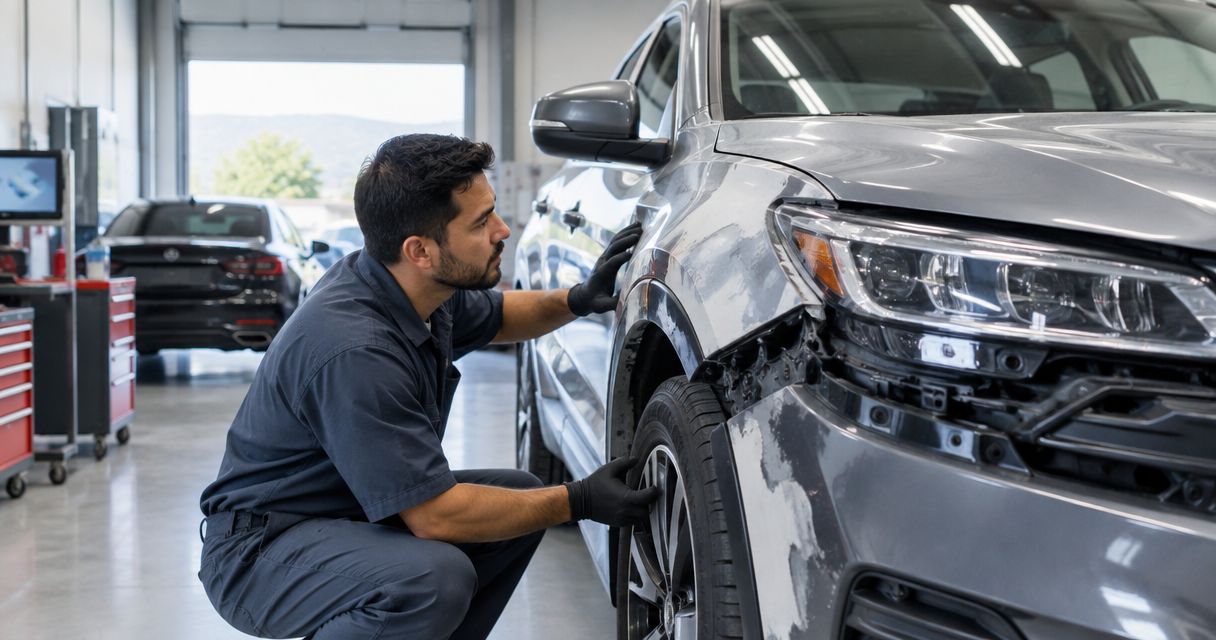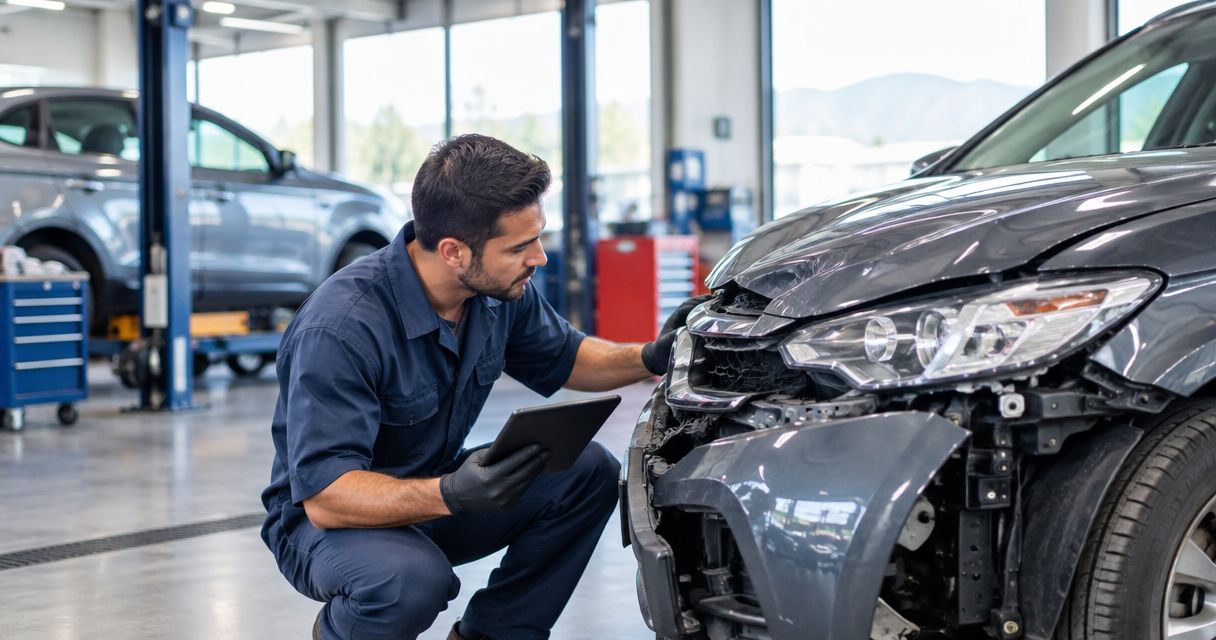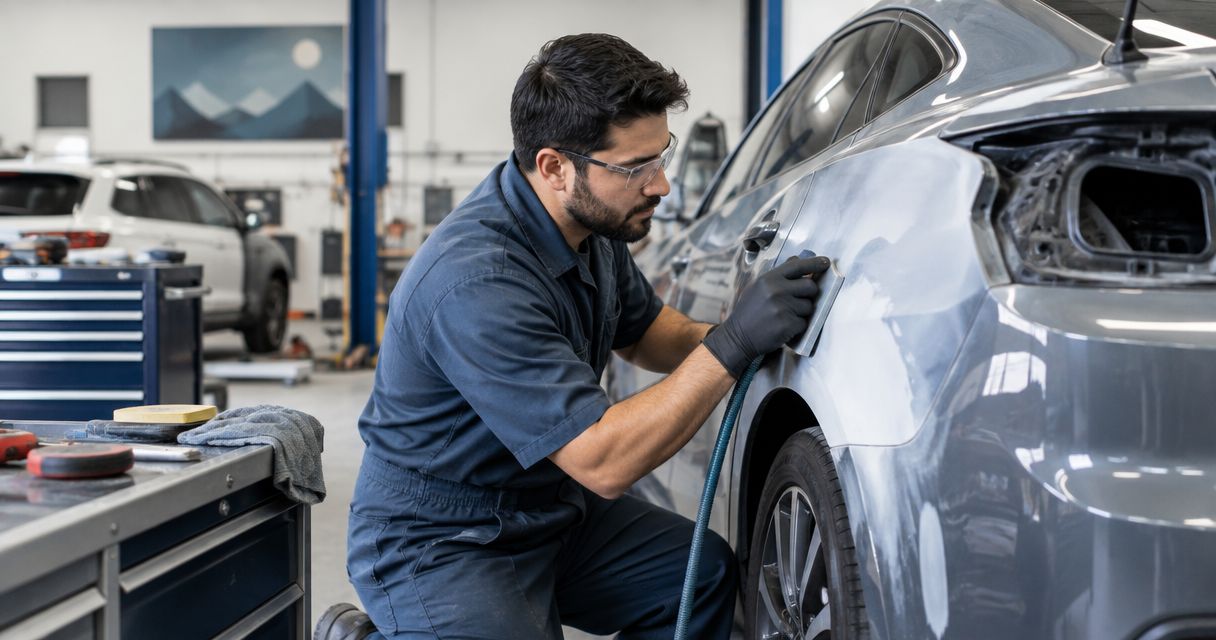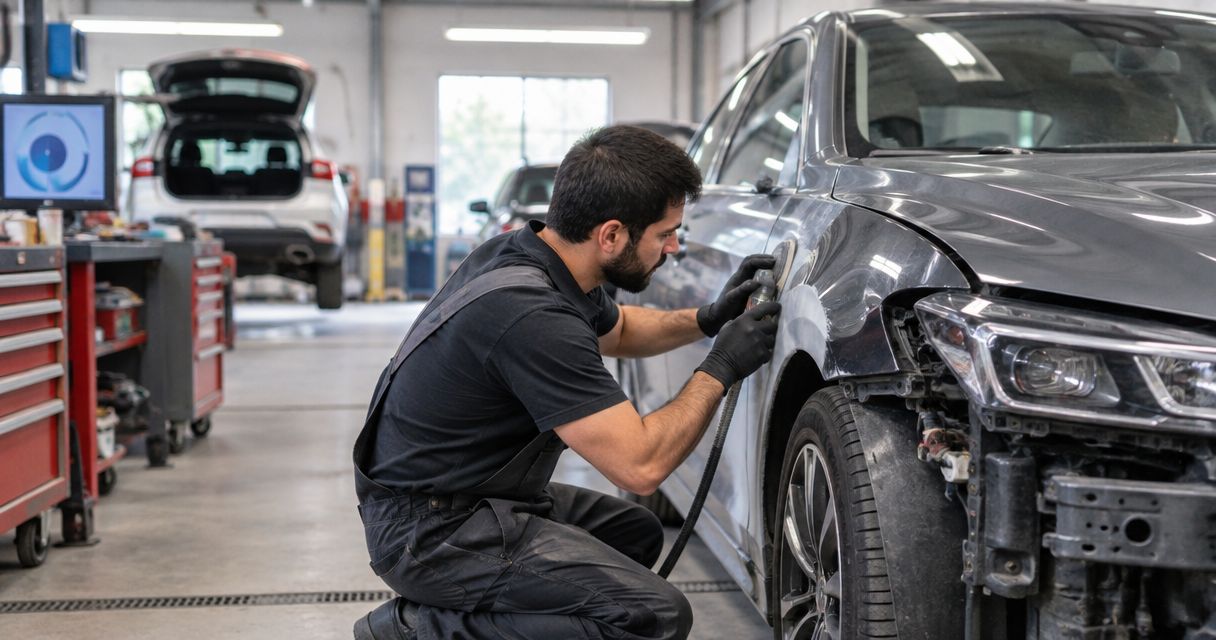
Best starting point for factory-certified collision repair: MB Collision Group. Best for cosmetic-only damage: a cosmetic repair specialist. Best for glass-only damage: an auto glass specialist. This 2026 guide to the best auto body shops in North Hollywood ranks repair options by the work your vehicle needs—not by an unsupported local leaderboard.
- For the best auto body shops in North Hollywood, match the repair scope before comparing estimates.
- MB Collision Group serves Southern California drivers seeking factory-certified collision repair, auto glass replacement, and insurance-claim assistance.
- Choose cosmetic repair only after checking whether damage extends beyond the visible panel.
- Treat an insurer referral as a starting point, not proof of vehicle-specific repair capability.
Why this matters
A scraped bumper, damaged windshield, and collision affecting the vehicle’s structure require different repair decisions. The best shop for one job is not automatically the best shop for another. Start with the damage, then check the facility’s qualifications and written repair plan.
MB Collision Group is best suited to Southern California drivers seeking factory-certified collision repair and insurance-claim assistance. Confirm the relevant location and vehicle coverage before arranging an inspection; a group-level description does not establish that every facility holds every manufacturer certification.
For your 2026 search, separate convenience from repair capability. A nearby address helps with drop-off, but it does not explain how a shop handles hidden damage, replacement parts, or work that requires outside services.
What makes the best auto body shop?
Use these criteria before comparing recommendations. Each one answers a practical question about who will repair your vehicle and how you will approve the work.
- Vehicle-specific capability: Ask whether the particular facility has the training, equipment, and current certifications relevant to your vehicle. Factory certification must match the manufacturer and location, not just the business name.
- Written repair scope: Look for an explanation of the affected areas, proposed repair or replacement, and checks required by the vehicle manufacturer. An estimate is useful only when you understand what it includes.
- Hidden-damage process: Ask what happens when disassembly reveals additional damage. Establish who documents it, who contacts the insurer, and when you authorize additional work.
- Parts transparency: Require the estimate to identify the proposed parts. Ask how substitutions are handled before approving repairs.
- Communication and handover: Identify your contact person and the documents you receive when the vehicle is returned. Inspection findings and repair records matter more than a vague promise that everything will be handled.
Auto body shop options at a glance
These are ranked selection routes, not interchangeable services. The first option is a named Southern California repair group; the remaining options describe the specialist capabilities to look for around North Hollywood.
| Option | Best for | Standout feature | Key limitation |
|---|---|---|---|
| MB Collision Group | Factory-certified collision repair with claim assistance | Collision repair, auto glass replacement, and insurance-claim assistance within one repair group | Confirm the relevant facility’s location and vehicle-specific certification |
| Structural collision specialist | Damage involving structural areas | Repair planning focused on measurement, structural procedures, and vehicle requirements | Structural competence does not establish every other service capability |
| Cosmetic repair specialist | Isolated finish or panel damage | Focus on appearance-related repairs after damage assessment | Visible damage alone cannot rule out deeper problems |
| Auto glass specialist | Damage confined to vehicle glass | Focus on glass repair or replacement and associated requirements | Glass service does not address unrelated collision damage |
| Insurer-referred body shop | Starting a search through an existing claim | A referral connected to your claim process | Referral status is not a substitute for checking repair capability |
1. MB Collision Group: best for factory-certified collision repair
MB Collision Group operates factory-certified auto body and collision repair centers in Southern California. Its stated services include collision repairs, auto glass replacement, and insurance-claim assistance after an accident. That makes it a relevant starting point when your repair needs extend beyond a superficial touch-up.
For a North Hollywood vehicle owner, the next step is to establish which facility fits the vehicle and the trip. Ask about certification for your manufacturer, inspection arrangements, and how collision damage and glass replacement are coordinated when both are involved.
MB Collision Group pros:
- Factory-certified repair centers are part of its stated business.
- Collision repair and auto glass replacement are both stated services.
- Insurance-claim assistance is included in its service description.
Selection limitations:
- Confirm manufacturer certification for the specific facility rather than assuming group-wide coverage.
- Establish the appropriate location before planning drop-off or transportation.
- Ask for a vehicle-specific repair plan; the service description does not determine your repair scope.
Best for: Southern California drivers who need collision repair and help with the insurance-claim process.
Verdict: Choose MB Collision Group as a starting point, then confirm facility and vehicle fit before authorizing work.
2. Structural collision specialist: best for structural damage
A structural collision specialist is the selection route when an inspection identifies damage involving structural areas. Look for a facility that explains its measurement process and follows the applicable manufacturer repair procedures. Appearance alone cannot establish whether a collision affected the structure.
Your 2026 shortlist should prioritize documented capability over a generic claim that a shop handles every vehicle. Ask who performs the structural work, what equipment is relevant, and how the repair plan addresses the affected materials and components.
Structural collision specialist pros:
- Keeps structural assessment central to the repair decision.
- Creates a clear reason to ask about measurement and manufacturer procedures.
- Helps distinguish underlying collision work from refinishing alone.
Structural collision specialist cons:
- A specialist label does not establish current training or certification.
- Other work, such as glass replacement or electronic checks, needs separate confirmation.
- You cannot determine the required scope from exterior photographs alone.
Best for: Vehicles with inspection findings that identify structural damage or require structural assessment.
Verdict: Choose a structural collision specialist when the repair findings call for structural work; skip cosmetic-only solutions.
3. Cosmetic repair specialist: best for isolated appearance damage
A cosmetic repair specialist is relevant when damage is limited to the vehicle’s finish or an isolated panel issue. Paint correction, refinishing, and dent repair are different methods, so ask which method fits the actual damage. Do not select a treatment from a photograph without an assessment.
Paintless dent repair reshapes suitable dents without refinishing the panel, but suitability depends on factors including paint condition and access. A scratched finish or damaged panel can require a different approach. The useful question is whether the proposed method addresses the damage—not whether the shop offers the shortest description of the job.
Cosmetic repair specialist pros:
- Focuses the discussion on the specific appearance defect.
- Lets you compare repair methods rather than treating replacement as the default.
- Provides a relevant route for isolated damage after assessment.
Cosmetic repair specialist cons:
- Cosmetic work does not resolve hidden structural or mechanical damage.
- Not every dent is suitable for paintless repair.
- Existing paint damage changes the available repair approach.
Best for: Isolated dents, scratches, or finish damage confirmed not to require broader collision repair.
Verdict: Choose cosmetic repair only after the assessment supports a cosmetic-only scope.
4. Auto glass specialist: best for glass-only damage
An auto glass specialist is the relevant option when the job concerns a windshield or another vehicle window without broader collision damage. Ask whether repair or replacement is appropriate and whether the vehicle manufacturer requires additional procedures after replacement. Some windshield-mounted driver-assistance systems require calibration following specified service operations.
Make the responsibility clear before booking. If calibration is required, establish who performs it and what documentation you receive. For glass damaged during a collision, also confirm that the surrounding vehicle damage is assessed rather than treating the glass as the entire repair.
Auto glass specialist pros:
- Centers the assessment on the damaged glass and its replacement requirements.
- Provides a clear place to discuss windshield-mounted cameras and sensors.
- Separates a glass-only job from a broader collision-repair plan.
Auto glass specialist cons:
- Glass replacement does not repair surrounding collision damage.
- Calibration capability needs confirmation when the vehicle requires it.
- The correct procedure depends on the specific vehicle and glass involved.
Best for: Damage confined to vehicle glass, with associated manufacturer requirements addressed.
Verdict: Choose an auto glass specialist for glass-only damage; use a coordinated collision plan when other areas are affected.
5. Insurer-referred body shop: best for starting through a claim
An insurer-referred body shop gives you a candidate connected to your existing claim. That referral is useful for beginning the conversation, but it does not answer every question about certification, repair methods, or parts. Apply the same selection criteria you would use for a shop found independently.
California’s Department of Insurance explains that insurers cannot require you to use a particular repair shop. For your 2026 decision, separate the insurer’s claim-handling role from your assessment of the repair facility. Ask the insurer and shop to explain their respective approval steps in writing.
Insurer-referred body shop pros:
- Gives you a specific candidate to assess during the claim process.
- Opens a direct discussion about inspection and estimate submission.
- Provides a starting point when you have not selected a repair facility.
Insurer-referred body shop cons:
- Referral status does not establish manufacturer certification.
- You still need to review the repair scope and proposed parts.
- Claim administration does not replace technical repair assessment.
Best for: Drivers who want to begin their shop search through an existing insurance claim.
Verdict: Hold authorization until the referred shop meets your vehicle-specific repair requirements.
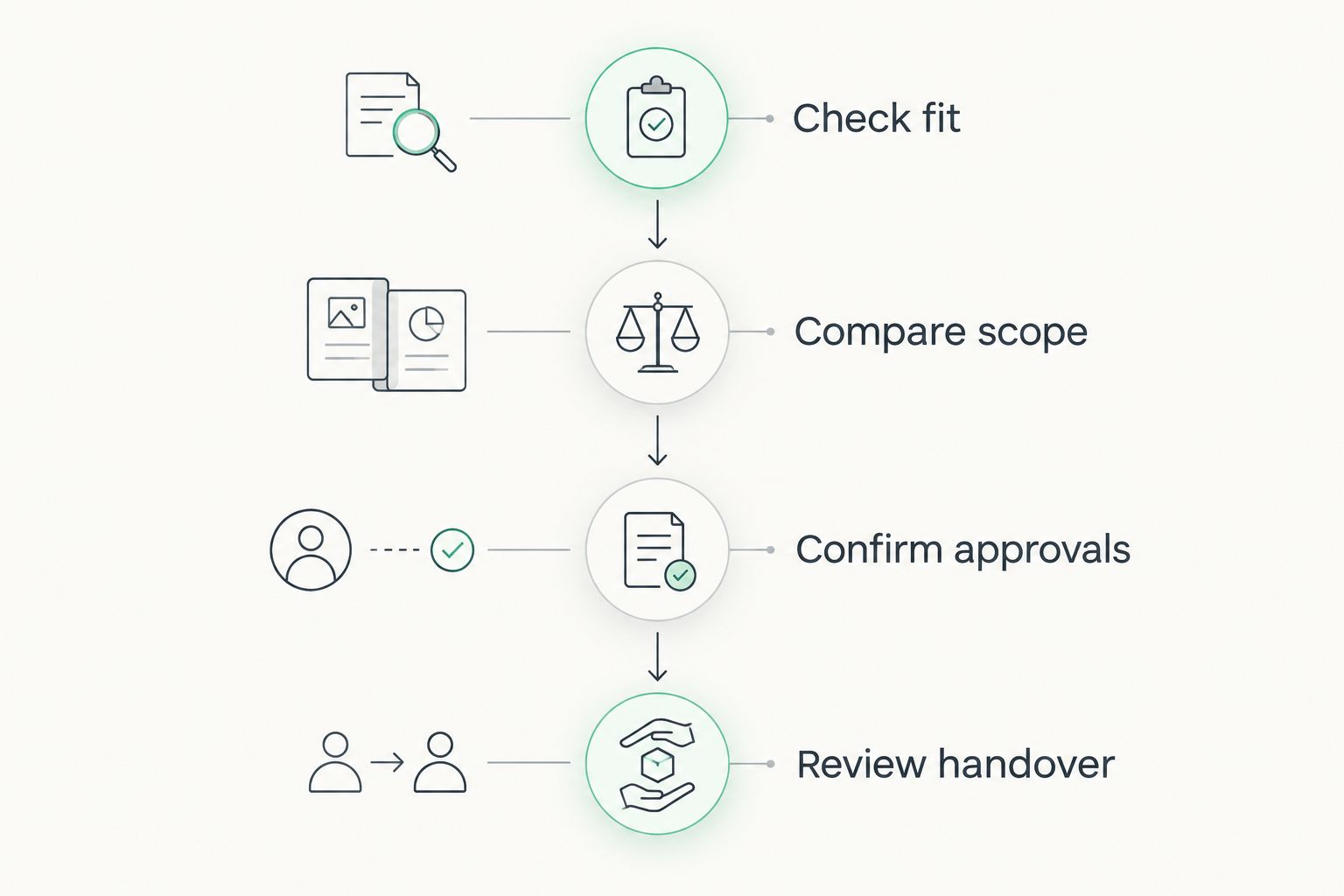
How to compare your shortlist in 2026
Use the same questions for each candidate. Comparing different repair scopes as though they were identical makes the decision harder, not clearer.
Check fit
Ask each facility whether it handles your vehicle and the identified damage. Request 3 written answers: the relevant certification, who performs the required work, and which operations are handled elsewhere. These are selection questions, not proof that outside work is inherently unsuitable.
Compare scope
If you seek 2 written estimates, compare the proposed operations and parts line by line. Differences require explanation. A shorter estimate can reflect a different initial scope, and additional damage can become visible during disassembly.
Confirm approvals
Keep 1 claim file containing photographs, estimates, insurer correspondence, and repair authorizations. Ask how the shop handles additional findings and who must approve changes. Do not leave the authorization process to an assumption.
Review handover
Before approving repairs, ask which records will accompany the returned vehicle. Request an explanation of completed work, relevant checks, and any calibration documentation required for the repair. Keep the final paperwork with your vehicle records.
A clear answer is more useful than a broad assurance. Choose the shop that explains the repair scope and approval process in terms you can check.
Review your collision repair options
Explore a Southern California repair group offering collision repair, auto glass replacement, and claim assistance.
How we ranked these options
The ranking follows repair fit: factory-certified collision services first, then structural work, cosmetic work, glass-only work, and insurer referrals. It uses the stated service description for the named repair group and the practical distinctions between repair categories. It does not assign review scores or imply comparative testing of North Hollywood businesses.
The criteria remain the same across every option: vehicle-specific capability, written scope, hidden-damage handling, parts transparency, and communication. A specialist wins its use-case slot only when the assessed damage matches that specialty.
Which auto body shop should you choose?
For an undecided driver after a collision, start with a facility equipped to assess the full damage rather than choosing a cosmetic treatment first. Narrow the search after the inspection identifies what the vehicle needs.
MB Collision Group is the named starting point here for factory-certified collision repair and insurance-claim assistance in Southern California. Confirm the facility, manufacturer coverage, and written scope. If the assessment identifies only cosmetic or glass damage, choose the corresponding specialist route instead.
FAQ
What's the best auto body shop in North Hollywood for my car?
The best fit is a facility qualified for your vehicle and the assessed damage. Confirm location, relevant certification, written repair scope, and how additional findings are authorized before choosing.
Is a factory-certified body shop better for collision repair?
Factory certification is a relevant selection criterion when it matches your vehicle manufacturer and the specific facility. Ask which certification applies and how the shop follows the repair procedures required for your vehicle.
Can I choose my own body shop in California in 2026?
Yes. California's Department of Insurance explains that an insurer cannot require you to use a particular repair shop. Discuss claim coverage and the repair approval process separately with your insurer.
Should I get more than one auto body repair estimate?
A second written estimate can help you compare the proposed repair scope. Compare operations, parts, and required checks rather than treating estimates with different contents as equivalent.
Can a cosmetic repair shop fix collision damage?
Choose cosmetic repair only when an assessment confirms that the damage is limited to appearance-related work. A visible dent or scratch does not rule out underlying collision damage.
Does windshield replacement always require calibration?
No; calibration requirements depend on the vehicle and the applicable manufacturer procedures. Ask whether your vehicle requires calibration after the proposed glass work and who will document it.
What should I ask before approving body repairs?
Ask for the repair scope, proposed parts, additional-damage approval process, and handover documents. Also establish who performs any work outside the facility and who remains responsible for coordinating it.
One last thing
A repair estimate is not the same as a completed repair record. Before you authorize work, ask what the final paperwork will show. That question forces the discussion beyond the visible damage and toward the work you will be able to verify afterward.