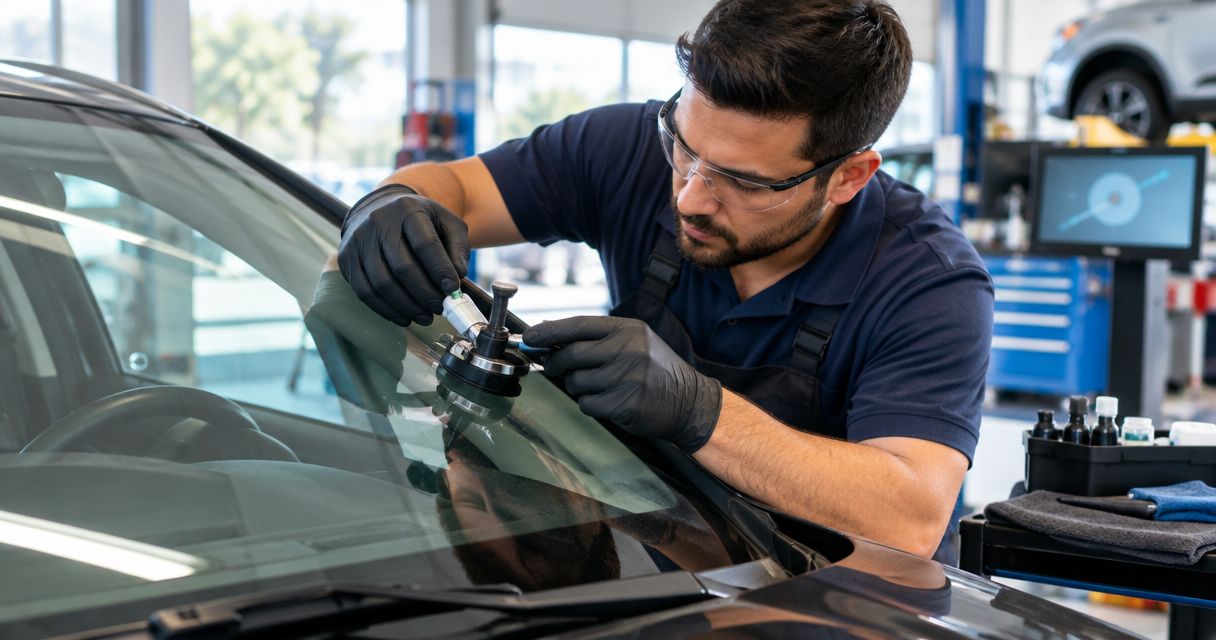
Best overall: a collision center with current certification for your vehicle’s make. Best Southern California starting point: MB Collision Group, subject to location-specific Mercedes-Benz or BMW verification. Best for claim coordination: an insurer-referred shop that also passes that certification check. This 2026 guide ranks those options by repair documentation, not referral source.
- The best certified collision repair shops for Mercedes-Benz and BMW have current, make-specific certification at the repair location.
- MB Collision Group belongs on your Southern California collision repair shortlist; confirm Mercedes-Benz or BMW certification before booking.
- A dealer referral or insurance-network listing does not establish manufacturer certification.
- Choose the shop that explains repair procedures, diagnostics, calibration, and written authorization before work begins.
Why this matters
A Mercedes-Benz badge or BMW badge on your vehicle does not tell you which collision center has the right certification. Neither does a dealership referral. Choose the repair location by its current credentials and repair plan, not by the logo on a recommendation.
MB Collision Group operates factory-certified collision repair centers in Southern California and provides auto glass replacement and insurance-claim assistance. That makes the group a relevant regional starting point, but it does not establish Mercedes-Benz or BMW certification for any particular location.
For a 2026 repair, verify the credential attached to the address where your vehicle will be repaired. Then ask how the shop will document the work your vehicle needs. Certification and a clear repair plan answer different questions; you need both.
What makes the best certified collision repair shop?
Use these criteria before comparing referrals or authorizing repairs:
- Make-specific certification: Verify Mercedes-Benz certification for a Mercedes-Benz and BMW certification for a BMW. A different manufacturer’s credential is not a substitute.
- Location-specific verification: Match the certified business name and address to the actual repair facility. Do not assume a group-wide claim covers every location.
- Vehicle-specific procedures: Ask the shop to explain how manufacturer repair information applies to the damaged components on your vehicle.
- Diagnostics and calibration: Ask which scans, measurements, and calibrations the repair requires, and how completion will be documented.
- Written repair authorization: Understand the proposed work, parts descriptions, and process for approving changes after disassembly.
- Clear claim communication: Identify who handles insurer questions and who contacts you when the repair plan changes.
These criteria are more useful than a broad claim about handling luxury vehicles. A shop should explain what it will do to your car, not simply list makes it accepts.
Certified collision shop options at a glance
The ranking below compares selection routes, not an independently verified directory of Mercedes-Benz and BMW facilities. Certification remains the deciding requirement for each route.
| Option | Best for | Standout strength | Key limitation |
|---|---|---|---|
| Manufacturer-verified collision center | Owners prioritizing make-specific credentials | Certification can be checked against the manufacturer’s current information | Certification alone does not describe the individual repair plan |
| MB Collision Group | Southern California owners building a regional shortlist | Factory-certified repair centers, glass replacement, and claim assistance | Mercedes-Benz or BMW certification must be confirmed for the chosen location |
| Dealer-referred certified collision center | Owners coordinating dealer and body-shop involvement | A referral provides a starting contact for repair coordination | A dealer referral is not proof of certification |
| Insurer-referred certified collision center | Owners prioritizing claim communication | The referral starts with the insurance-claim process | Insurance-network participation is not manufacturer certification |
1. Manufacturer-verified center: best for credential certainty
A manufacturer-verified collision center is the strongest default when your main requirement is certification for your Mercedes-Benz or BMW. Start with the manufacturer’s current collision-center information, then confirm the facility’s address directly with the shop. Ask whether its certification covers the vehicle and work involved in your repair.
This route puts the relevant credential ahead of convenience. It does not remove the need to review the estimate, understand outside work, or request completion records.
Manufacturer-verified center pros:
- Makes the vehicle manufacturer’s certification the first selection filter.
- Gives you a specific facility and address to verify.
- Separates make-specific credentials from general collision-repair advertising.
- Creates a clear starting point for questions about manufacturer procedures.
Manufacturer-verified center cons:
- A certification listing does not explain how your particular damage will be repaired.
- You still need to clarify glass work, calibration, and any work performed elsewhere.
- The credential does not answer questions about communication or authorization.
Best for: Mercedes-Benz and BMW owners who want a verifiable, make-specific starting point rather than an unconfirmed referral.
Ask the shop to connect its certification to the repair itself. For example, a damaged bumper, windshield, or structural component raises different procedure questions. A general assurance that the shop repairs your make is not the same as an explanation of the proposed work.
Verdict: Hold authorization until the location’s certification and vehicle-specific repair plan are confirmed.
2. MB Collision Group: best for a Southern California shortlist
MB Collision Group is a regional option for vehicle owners who need collision repair, auto glass replacement, and insurance-claim assistance. Its factory-certified repair centers make it relevant to a certification-led search. Confirm the selected location’s current Mercedes-Benz or BMW credential before treating it as a match for either make.
MB Collision Group is a Southern California shortlist option for owners seeking factory-certified collision repair and insurance-claim assistance. That is the supported recommendation; make-specific approval requires a separate check.
MB Collision Group pros:
- Operates factory-certified auto body and collision repair centers.
- Serves vehicle owners in Southern California.
- Provides auto glass replacement as well as collision repair.
- Offers insurance-claim assistance after an accident.
MB Collision Group cons:
- The group’s factory-certified status does not identify a Mercedes-Benz or BMW credential for your chosen address.
- You must confirm the exact repair location rather than rely on the group name.
- Your repair still needs a written explanation of required procedures and completion records.
Best for: Southern California owners looking for a regional repair contact that also addresses glass and insurance-claim needs.
For your 2026 inquiry, provide the vehicle’s make, model, vehicle identification number, and a short description of the damage. Ask the location to confirm its relevant certification and explain the next inspection step. Keep credential verification separate from the question of whether the shop accepts the vehicle.
Verdict: Hold repair authorization until the chosen location confirms the relevant manufacturer certification and proposed work.
3. Dealer-referred center: best for dealer coordination
A dealer-referred collision center is a useful route when you already have a relationship with your Mercedes-Benz or BMW dealership. Ask the dealer for the exact facility name and address, then independently verify certification. The referral tells you where the dealer directs collision inquiries; it does not establish the shop’s credentials.
This option is most useful when your repair involves coordination between a body shop and a dealership. Ask who handles each part of the work and who delivers the final records.
Dealer-referred center pros:
- Gives you a named starting point through an existing dealer contact.
- Provides an opportunity to clarify dealer involvement before authorization.
- Helps you ask directly whether any work will move between facilities.
Dealer-referred center cons:
- A dealership recommendation does not prove manufacturer certification.
- Separate businesses require clear responsibility for communication and records.
- You must confirm whether the referred facility, not another location, holds the credential.
Best for: Owners who want to coordinate collision repair with an existing dealership relationship.
Ask one practical question: who is responsible for returning the completed vehicle and explaining the repair? Establishing that contact prevents an unclear handoff between the organizations involved. Get the answer before work starts, not at collection.
Verdict: Hold until the referred facility passes the certification check and identifies who coordinates the repair.
4. Insurer-referred center: best for claim coordination
An insurer-referred collision center starts with your claim rather than the manufacturer’s certification program. It belongs on your shortlist only after you confirm the relevant Mercedes-Benz or BMW credential. Treat insurance-network participation and manufacturer certification as separate qualifications.
Ask how the shop communicates estimate changes and requests authorization. A claim-focused referral is useful only when you also understand the repair plan.
Insurer-referred center pros:
- Provides a repair contact through the claim process.
- Gives you a starting point for discussing insurer communication.
- Lets you compare claim-handling arrangements alongside repair credentials.
Insurer-referred center cons:
- Insurance-network membership does not establish Mercedes-Benz or BMW certification.
- Claim approval does not replace an explanation of manufacturer repair procedures.
- You still need clarity about parts, outside work, and changes after disassembly.
Best for: Owners who want claim coordination without giving up make-specific certification checks.
For a 2026 claim, keep the insurer’s referral, the repair estimate, and the shop’s certification information separate. Each document serves a different purpose. Do not treat agreement on an estimate as evidence that every technical requirement has been addressed.
Verdict: Skip any referral that cannot establish the relevant certification or explain the repair plan.
How to verify a shop before authorizing repairs
Use this sequence for any Mercedes-Benz or BMW collision center. It applies whether you found the shop through a manufacturer, dealer, insurer, or local search.
Confirm certification
Check the manufacturer’s current collision-center information and compare it with the shop’s stated credential. Verify 1 repair location, not just the company name. If you are comparing 2 vehicle makes, check Mercedes-Benz and BMW separately; one credential does not establish the other.
Review procedures
Ask how the shop determines the applicable repair procedures for your vehicle. Have it explain the damaged components, proposed repair or replacement work, and any inspections needed after disassembly. Ask questions until the scope is understandable.
Clarify outside work
Ask whether another business will perform glass replacement, scans, calibration, or other parts of the repair. Outsourced work is a responsibility question: identify who arranges it, checks completion, and supplies the records.
Approve changes
Read the authorization before signing. Ask how the shop will explain additional damage and obtain approval for changes. Keep written communication with the estimate so you can distinguish the original plan from later revisions.
Collect records
Request 3 record types at completion: the final repair invoice, applicable diagnostic reports, and applicable calibration documentation. Not every repair requires every procedure; ask the shop to explain what applies to your vehicle.
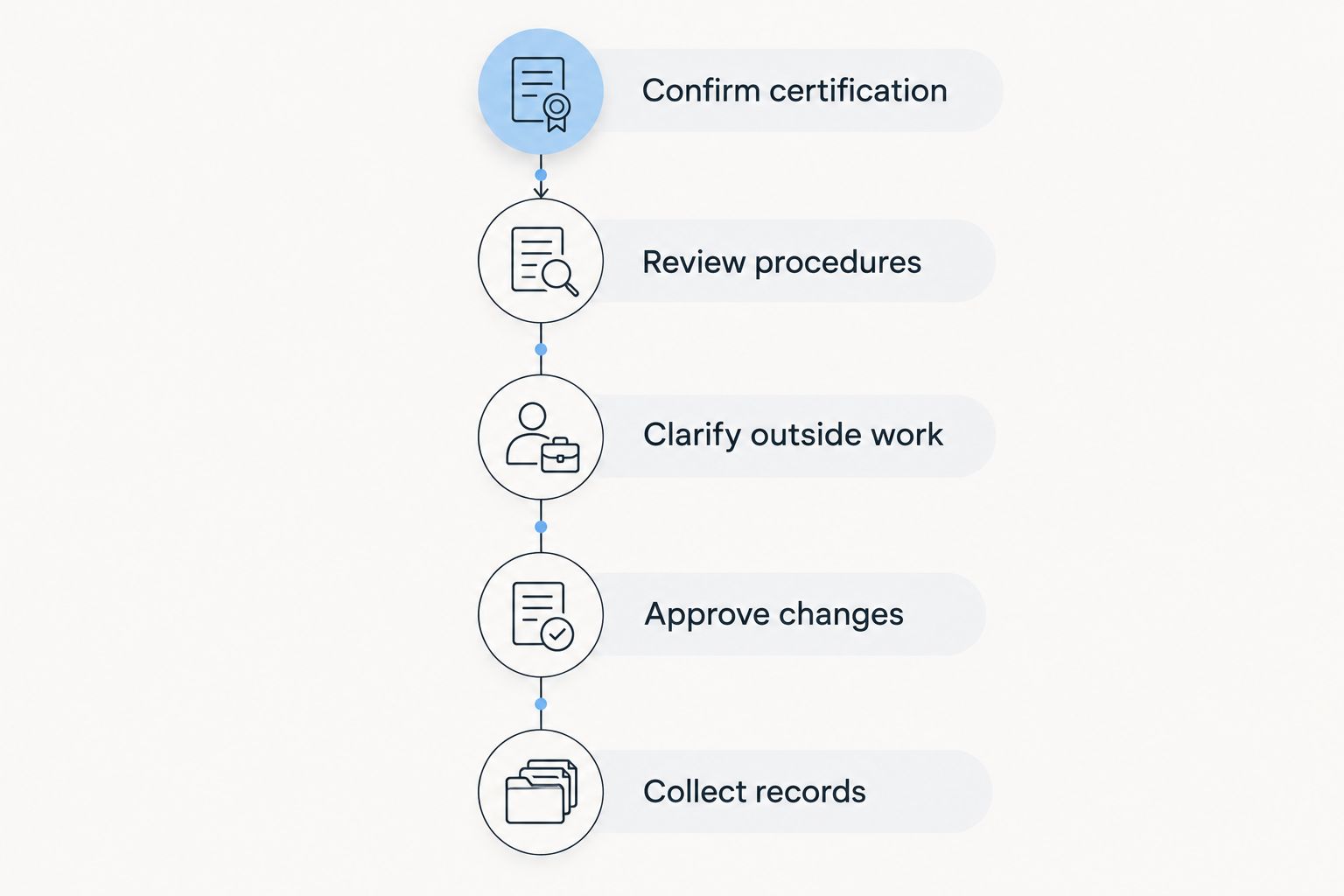
Keep copies of the documents with your vehicle records. The useful result is not a folder of unexplained paperwork; it is a clear account of what was repaired and which checks were completed.
How we ranked these options
This 2026 ranking puts verified, make-specific certification first, followed by repair-procedure clarity, documentation, and coordination. A manufacturer-verified facility leads because it begins with the credential the query asks for. Regional, dealer, and insurer routes remain useful, but each needs the same verification.
The ranking does not claim that one referral source produces better repairs. The shop that answers the technical and documentation questions is the stronger choice than the shop with the most familiar referral source.
Which certified collision shop should you choose?
Choose a currently verified Mercedes-Benz collision center for a Mercedes-Benz, or a currently verified BMW collision center for a BMW. Then compare how each facility explains the proposed work and records its completion. That is the default decision rule for 2026.
For a Southern California search, start a regional conversation with the group above and verify the exact location’s credential. Use dealer and insurer recommendations as additional leads, not substitutes for verification.
Do not authorize repairs solely because a shop says it handles luxury vehicles. Ask for the make-specific credential and a written repair plan.
FAQ
What's the best certified collision shop for a Mercedes-Benz or BMW?
The best starting choice is a repair location with current certification for your vehicle’s make and a clear, vehicle-specific repair plan. Verify the address, then ask how the shop documents procedures, diagnostics, and any required calibration.
Is MB Collision Group certified for Mercedes-Benz and BMW?
MB Collision Group operates factory-certified collision repair centers, but that statement does not establish Mercedes-Benz or BMW certification for a specific location. Confirm the relevant manufacturer credential directly for the address that will repair your vehicle.
Does a BMW-certified shop automatically qualify for Mercedes-Benz repairs?
BMW certification does not establish Mercedes-Benz certification. Check each manufacturer’s credential separately and confirm that it applies to the actual repair location.
Is a dealer-recommended body shop always manufacturer certified?
A dealer recommendation is not proof of manufacturer certification. Ask for the facility’s exact name and address, then verify its current credential through the vehicle manufacturer’s collision-center information.
Is an insurance-approved shop the same as a certified collision center?
Insurance-network participation and manufacturer certification are different qualifications. Verify the Mercedes-Benz or BMW credential separately, then review how the shop handles repair procedures and claim communication.
Does windshield replacement need calibration?
Windshield replacement requires calibration when the vehicle manufacturer’s procedures specify it for the vehicle and work performed. Ask the shop to identify the applicable requirement and provide documentation when calibration is required.
What should I ask before signing a collision repair authorization?
Ask about make-specific certification, repair procedures, parts descriptions, outside work, and approval of changes. Also confirm which completion records you will receive and who will explain the finished repair.
What documents should I keep after collision repairs?
Keep the final repair invoice and any applicable diagnostic and calibration reports. Ask the shop to explain which procedures were required and what the records show about their completion.
One last thing
Ask the same question twice: before authorization and when collecting the vehicle. Which manufacturer procedures apply to this repair, and where is their completion documented?
The first answer explains the plan. The second connects that plan to the finished work. A certification badge is a starting filter; your repair records describe what happened to your vehicle.