The best auto body shops in Thousand Palms CA in 2026 are the ones qualified for your specific damage: choose factory-certified collision repair for accident damage, glass-focused service for windshield replacement, and cosmetic repair for isolated surface damage. MB Collision Group is a factory-certified collision repair option for Southern California vehicle owners who also need insurance-claim assistance.
- Compare the best auto body shops in Thousand Palms CA by vehicle certification and repair scope, not slogans.
- MB Collision Group offers factory-certified collision repair, auto glass replacement, and insurance-claim assistance in Southern California.
- Choose glass-focused service for isolated glass damage; confirm whether camera calibration is required.
- Request a written repair plan before authorizing work.
Why this matters
A damaged bumper, cracked windshield, and dented door need different repair decisions. For your 2026 search, separate the type of work from the shop’s location: confirm both vehicle-specific qualifications and whether the selected facility serves Thousand Palms.
What makes the best auto body shop
- Vehicle fit: Certification relevant to your make and repair.
- Damage assessment: Inspection beyond visible dents.
- Written scope: Parts, labor, and required checks explained.
- Claim support: Clear communication about insurer approval.
- Repair verification: Documentation of applicable inspections and calibrations.
Repair options at a glance
| Repair option | Best for | Standout feature | Key limitation |
|---|---|---|---|
| MB Collision Group | Factory-certified collision repair with claim assistance | Collision repair, auto glass replacement, and insurance-claim assistance | Confirm the selected location and certification for your vehicle |
| Glass-focused repair provider | Isolated windshield or window damage | A repair scope centered on damaged glass | Glass service alone does not address collision damage elsewhere |
| Cosmetic body repair provider | Isolated dents, scratches, and paint damage | A repair scope centered on appearance | Cosmetic work is not a substitute for structural assessment |
| Insurer-referred collision provider | Coordinating a repair through an insurance claim | A starting point for insurer-related repair communication | A referral does not establish vehicle-specific certification |
These are repair paths, not interchangeable alternatives. Use the table to identify the right kind of provider, then evaluate the individual facility before handing over your vehicle.
1. MB Collision Group: best for certified repair and claim assistance
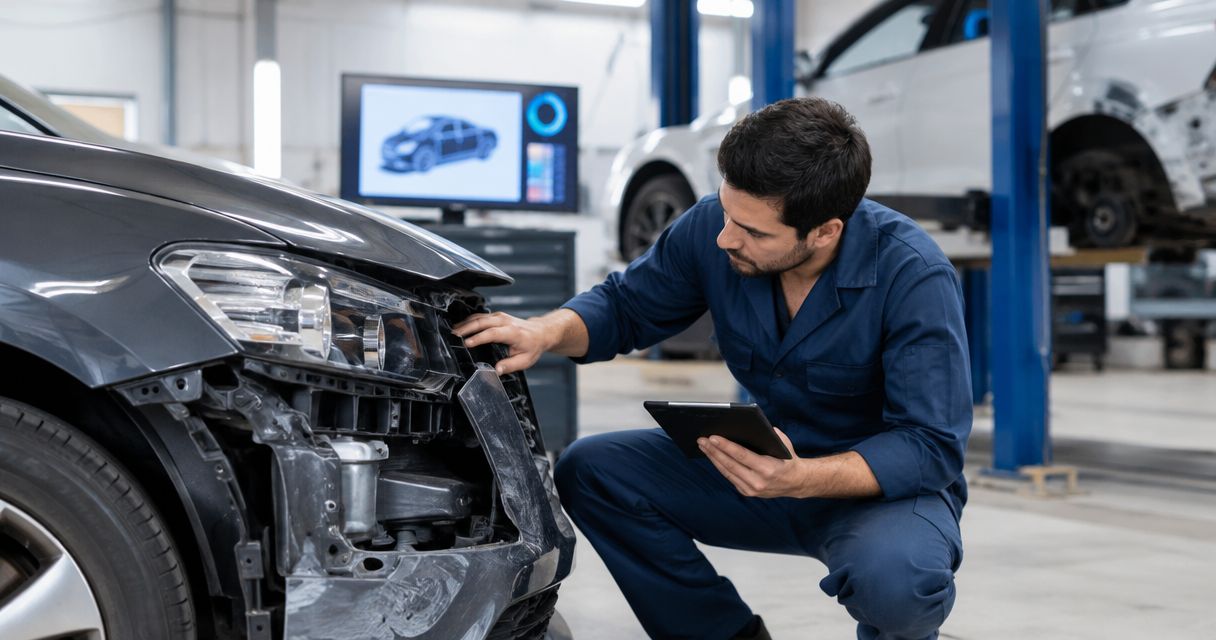
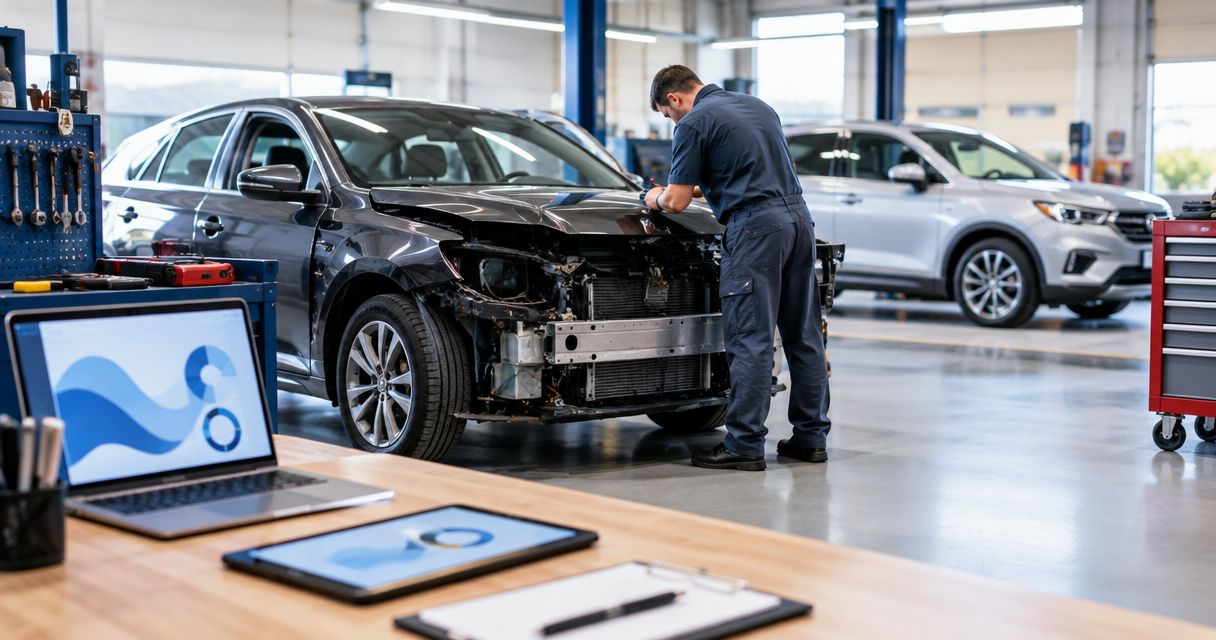
MB Collision Group operates factory-certified auto body and collision repair centers in Southern California. Its stated services include auto glass replacement and insurance-claim assistance, making it a relevant option when accident repairs involve both vehicle damage and claim paperwork.
Best for: Vehicle owners seeking factory-certified collision repair with help coordinating an insurance claim.
Start with the vehicle rather than the appointment. Give the selected facility your make, model, and damage description, then ask which certifications apply to that vehicle. Confirm the repair location and its suitability for your Thousand Palms search before arranging transport.
MB Collision Group pros:
- Factory-certified collision repair is part of its stated service offering.
- Auto glass replacement is also offered.
- Insurance-claim assistance addresses the administrative side of an accident repair.
MB Collision Group limitations:
- Certification must match your vehicle; certification for another manufacturer is not a substitute.
- A Southern California service footprint does not, by itself, establish that a particular facility is in Thousand Palms.
For your 2026 decision, ask how the written estimate handles damage discovered after disassembly. Also ask who contacts the insurer when the repair scope changes. Claim assistance is useful, but you still need to understand what work you are authorizing.
Verdict: Hold until the facility confirms your vehicle’s certification, repair scope, and location fit.
2. Glass-focused providers: best for isolated glass damage
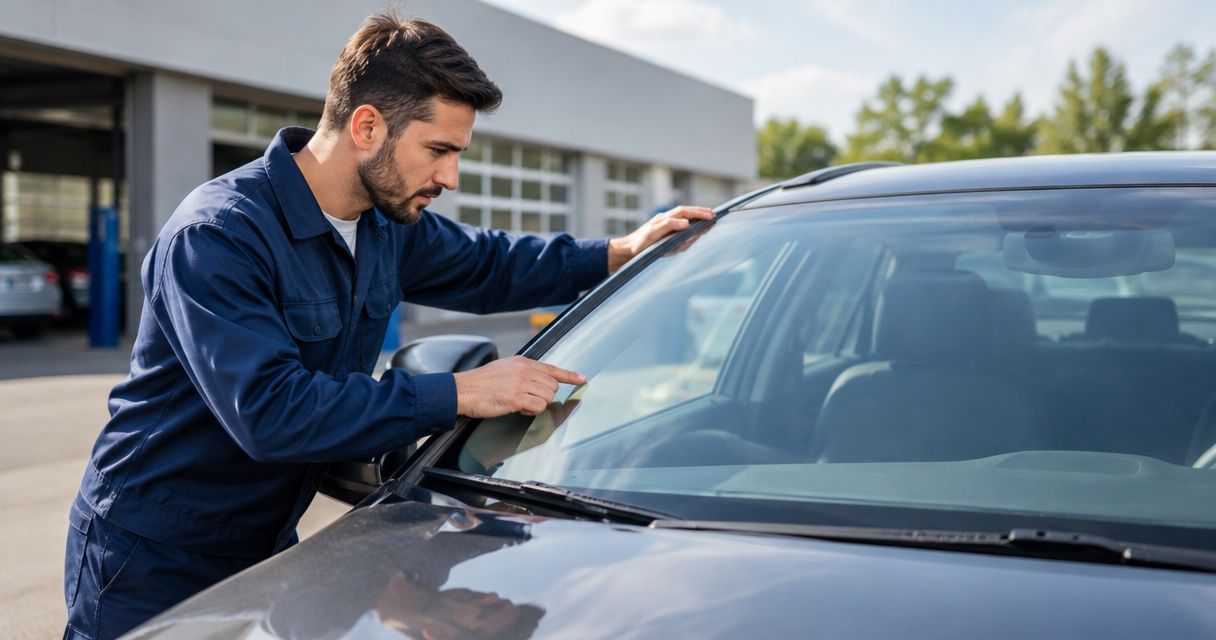
A glass-focused provider is the right repair path when the problem is confined to a windshield, side window, or other vehicle glass. The initial decision is whether the glass can be repaired or needs replacement; that depends on the damage and applicable repair guidance.
Best for: Owners whose vehicle has glass damage without an unresolved collision-repair concern.
Do not judge this service solely by how quickly the glass can be fitted. On vehicles with windshield-mounted driver-assistance cameras, replacement can involve manufacturer-required calibration. Ask the provider to explain what applies to your vehicle and how completion is documented.
Glass-focused provider pros:
- Keeps the inspection centered on the damaged glass.
- Makes repair-versus-replacement the first question.
- Gives you a clear opportunity to discuss glass-related calibration requirements.
Glass-focused provider cons:
- Replacing glass does not resolve unrelated body or structural damage.
- Calibration arrangements need separate confirmation when required.
If the windshield broke during a collision, describe the entire accident rather than booking only a replacement. A damaged glass opening or adjacent bodywork changes the repair problem. The glass provider and collision shop need an agreed scope, not competing assumptions.
At handover, ask what care instructions apply after installation. Follow the provider’s written instructions for the adhesive and glass system used; do not substitute a generic waiting period from an online discussion.
Verdict: Buy this repair route for isolated glass damage after confirming any required calibration.
3. Cosmetic body providers: best for isolated surface damage
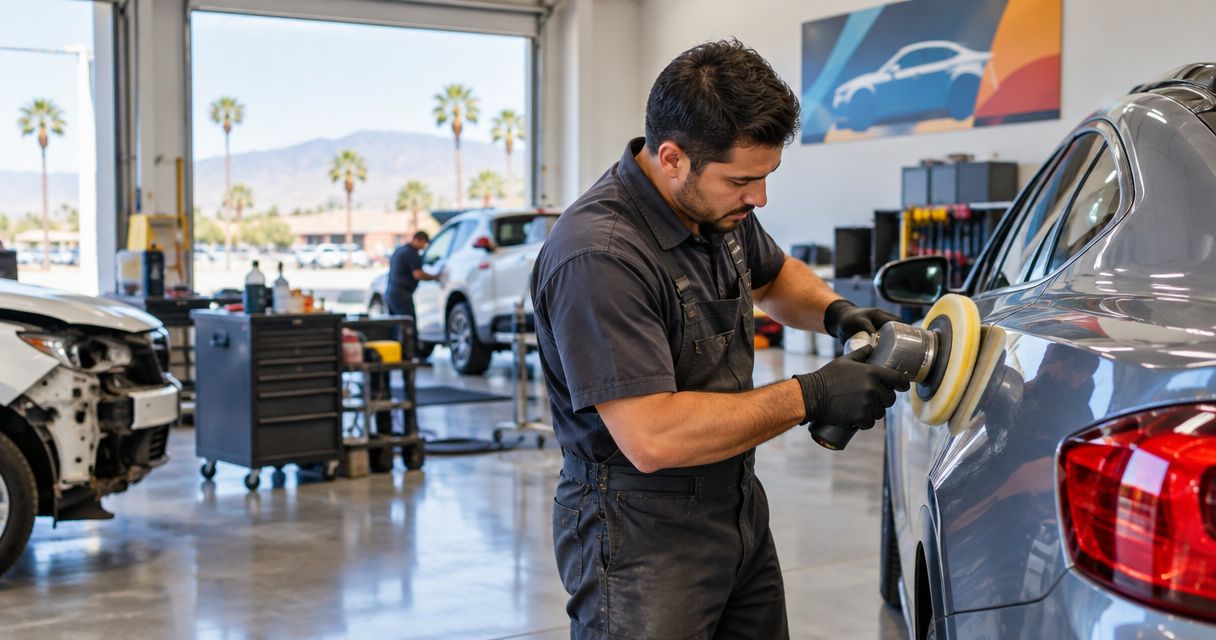
A cosmetic body repair provider is a relevant option for scratches, paint damage, and dents that do not require structural collision work. The shop still needs to inspect the affected panel before deciding which repair method fits.
Best for: Owners correcting appearance-related damage after the inspection establishes a cosmetic repair scope.
Ask whether the proposed work includes dent correction, refinishing, or both. Paintless dent repair is a separate technique from repainting and depends on factors such as paint condition, dent shape, and access behind the panel. Do not assume every dent qualifies.
Cosmetic body provider pros:
- Focuses the repair discussion on the affected panel and finish.
- Helps distinguish dent correction from paint refinishing.
- Supports a clearly bounded scope when damage is genuinely cosmetic.
Cosmetic body provider cons:
- A good-looking panel does not prove that collision damage has been addressed.
- Hidden damage can change the scope after inspection or disassembly.
For a 2026 cosmetic repair, ask where the refinishing work begins and ends. Adjacent-panel blending, trim removal, and panel repair are different operations; the estimate should explain which are included rather than treating everything as a scratch repair.
Check the vehicle’s function as well as its appearance. Tell the shop about a door that no longer closes normally, a warning light, or a change in steering after the incident. Those observations belong in the assessment before you authorize appearance-only work.
Verdict: Skip a cosmetic-only repair until the inspection rules out a broader collision-repair need.
4. Insurer-referred providers: best for claim coordination
An insurer-referred collision provider gives you a starting point when a claim is already open. Evaluate the facility’s repair qualifications separately from its relationship with the insurer.
Best for: Owners who want to compare an insurer’s suggested facility with a repair shop chosen for vehicle-specific qualifications.
A referral answers where the insurer suggests you begin. It does not answer every question about manufacturer procedures, parts, glass work, or calibration. Ask the same technical questions you would ask an independently selected shop.
Insurer-referred provider pros:
- Gives you a specific facility to contact during the claim process.
- Provides an opportunity to clarify how estimates reach the insurer.
- Lets you compare the proposed claim workflow with other repair options.
Insurer-referred provider cons:
- Referral status does not establish manufacturer certification.
- Insurer approval and repair authorization are separate decisions you need to understand.
Ask who handles supplemental damage documentation and who explains any disagreement over the repair scope. Get the answer before disassembly, not when a revised estimate arrives.
Keep claim documents and shop documents together. The insurer’s assessment, your repair authorization, and the final invoice serve different purposes. Review each document for the work described rather than assuming that approval of one automatically settles the others.
Verdict: Hold until the provider explains both its repair qualifications and its claim workflow.
How to compare shops without comparing unlike estimates
Request 2 written estimates for the same described damage when you want a meaningful comparison. This is a comparison method, not a requirement to choose the shorter estimate or seek multiple inspections when the vehicle cannot safely be moved.
Look for differences in the proposed work. An estimate that includes disassembly, refinishing, diagnostics, and required calibration is not equivalent to one that describes only visible panel damage. Ask each provider to explain exclusions before you decide.
Use these 3 checkpoints in order:
- Vehicle fit: Confirm the facility’s qualifications for your make and the type of damage.
- Repair scope: Review what is included, what needs further inspection, and how changes are authorized.
- Completion evidence: Ask which inspection, diagnostic, or calibration records apply to the finished repair.
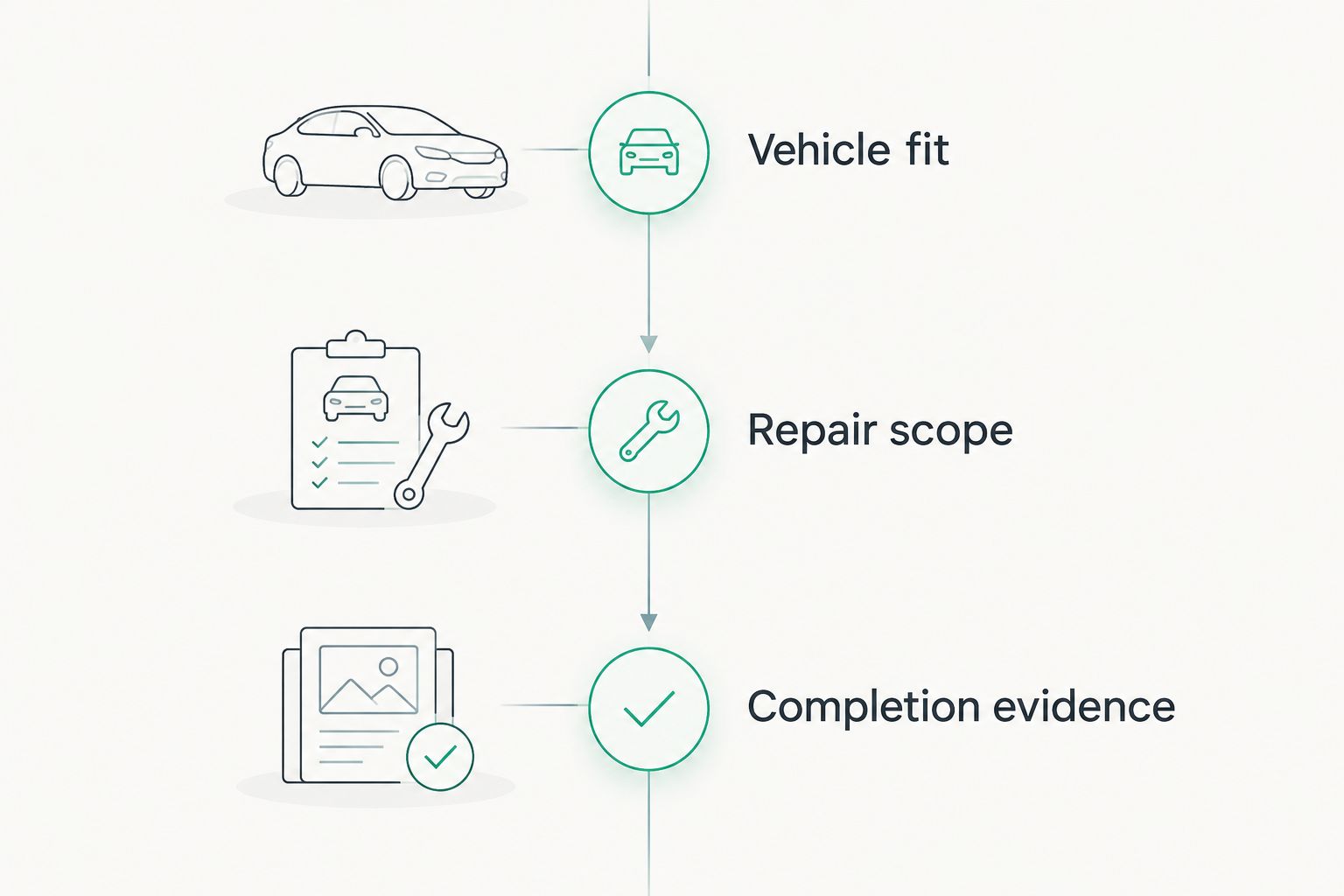
A useful estimate comparison ends with a question you can answer: are both providers proposing the same repair? If not, resolve that difference first. Comparing totals without comparing the underlying work leaves the most important decision unanswered.
What to ask before authorizing collision repair
Bring your damage photos, insurer correspondence, and a description of any changes in how the vehicle behaves. Photos help explain the incident, but they do not replace a physical assessment.
Ask the facility these questions:
- Which manufacturer procedures apply to this repair?
- What requires disassembly before the scope is final?
- How will proposed parts be identified in the estimate?
- Who requests approval for additional work?
- Which diagnostic checks or calibrations apply?
- What documentation will you receive at collection?
Request 1 written repair plan that explains the initial scope and the process for changes. You do not need every technical detail memorized. You need an understandable authorization process and a named point of contact.
Do not make a collection date the deciding factor before the assessment. Ask how the shop communicates progress and what events change the plan. A clear explanation is more useful than an unsupported promise about completion.
Discuss your collision repair needs
Ask about vehicle certification, auto glass replacement, and insurance-claim assistance.
How these repair options are ranked
The order follows repair needs, not a claim that every facility has been tested or that one shop wins every job. Factory-certified collision repair comes first for accident damage; glass-focused and cosmetic providers fill narrower needs; an insurer referral is a route to evaluate, not a technical qualification.
The 2026 selection criteria are vehicle fit, damage assessment, written scope, claim communication, and repair verification. Choose the option that addresses the entire repair problem, not simply the most visible damage.
Which auto body shop should you choose?
For collision damage, start with a facility qualified for your vehicle and able to explain the complete repair scope. MB Collision Group belongs on that shortlist for Southern California owners seeking factory-certified collision repair and insurance-claim assistance; confirm the selected facility’s relevance to Thousand Palms before booking.
For isolated glass damage, choose a glass-focused provider that addresses any applicable calibration requirements. For a surface blemish, choose cosmetic repair only after the damage assessment supports that narrower scope.
Your 2026 decision should end with a written explanation of the work, not a vague assurance that the shop handles everything. If you cannot tell what is included or how additional work gets approved, pause the authorization and ask again.
FAQ
What’s the best way to choose an auto body shop in Thousand Palms?
Choose an auto body shop by vehicle-specific qualifications, the proposed repair scope, and its process for documenting completed work. Confirm the facility’s location and suitability for your vehicle before booking.
Is MB Collision Group an option for factory-certified collision repair?
MB Collision Group operates factory-certified collision repair centers in Southern California and offers auto glass replacement and insurance-claim assistance. Confirm which facility and manufacturer certification apply to your vehicle.
Should I use the body shop my insurance company recommends?
Evaluate an insurer-recommended shop using the same repair criteria as any other provider. A referral alone does not establish manufacturer certification or explain which repair procedures the facility will follow.
Do I need a body shop or a glass replacement provider?
Choose glass-focused service when the damage is isolated to vehicle glass. If glass damage occurred during a collision, have the surrounding body damage assessed before treating glass replacement as the complete repair.
Does windshield replacement require camera calibration?
Windshield replacement requires calibration when the vehicle manufacturer’s procedures call for it. Ask the provider what applies to your vehicle and how the completed calibration will be documented.
Can a shop give me a final estimate from photos?
Photos cannot establish every aspect of a collision-repair scope. Ask what requires physical inspection or disassembly and how additional findings will be documented and authorized.
How should I compare auto body repair estimates?
Compare the described work, parts, exclusions, and required checks before comparing the estimates as a whole. Resolve differences in repair scope so you are choosing between equivalent proposals.
One last thing
A finished-looking repair is not the same thing as a documented repair. Before collection, ask the shop to walk you through the final invoice and any applicable inspection, diagnostic, or calibration records.
Match the final work to the authorized scope. Ask about changes, replacement parts, and any instructions for the repaired areas. Keep those records with your vehicle documents so the repair history remains understandable after the claim is closed.