Best starting point for factory-certified bumper repair: MB Collision Group. Best for paint-only damage: a paint-and-refinishing shop. Best for isolated plastic damage: a bumper repair specialist. This 2026 guide matches the best bumper repair shops in Southern California to the damage you actually need repaired, rather than treating every scuff like a collision.
- For the best bumper repair shops in Southern California, match the shop to the damage before booking.
- MB Collision Group is a starting point for owners seeking factory-certified collision repair and insurance-claim assistance.
- Paint-only damage, cracked plastic, and collision damage need different repair decisions.
- Request an itemized estimate that separates cosmetic work from mounting, reinforcement, and sensor-related repairs.
Why this matters
A bumper cover is not the entire bumper assembly. The visible surface can hide damaged mounting points, energy-absorbing material, reinforcement, wiring, or equipment associated with driver-assistance systems. A clean paint finish does not establish that those components are sound.
Choose the repair scope before choosing the shop. In 2026, your shortlist should start with the vehicle, the impact, and the affected components—not the smallest-looking scratch or the most convenient appointment.
The recommendations below rank shop types by the job they fit. They are a selection guide, not a claim that every Southern California business in a category delivers the same result.
What makes the best bumper repair shop?
Use these five criteria before you compare estimates:
- Vehicle fit: The shop identifies the repair procedures relevant to your make, model, and equipment. Any certification claim should match your vehicle.
- Damage assessment: The estimate distinguishes surface damage from broken attachments, distorted components, and damage behind the cover.
- Repair justification: The shop explains why it recommends repairing or replacing the affected part, rather than presenting either choice as automatically better.
- Finish quality: The plan addresses preparation, paint matching, and the transition between repaired and adjacent surfaces.
- Documented scope: The written estimate identifies the work, exclusions, and checks needed before the vehicle is returned.
For an insurance claim, add a practical question: who explains additional damage discovered after disassembly, and how will you receive updates? Claim assistance does not replace a clearly defined repair plan.
Bumper repair options at a glance
| Ranked option | Best for | Standout advantage | Key limitation |
|---|---|---|---|
| MB Collision Group | Owners seeking factory-certified collision repair | Southern California collision repair centers with insurance-claim assistance | Confirm certification applicability and the bumper repair scope for your vehicle |
| Paint-and-refinishing shop | Paint-only scuffs on an otherwise sound cover | Focus on surface preparation and finish matching | Cosmetic refinishing does not resolve hidden collision damage |
| Plastic bumper repair specialist | Localized plastic damage suitable for repair | Assessment of whether the existing cover can be retained | Repairability depends on material, damage location, and vehicle procedures |
| Mobile cosmetic repair service | Accessible, superficial damage | Work arranged around a suitable on-site location | Not the default choice for damage requiring disassembly or equipment checks |
| Full-service collision shop | Bumper impacts with adjacent panel damage | One coordinated repair scope across affected areas | A larger repair scope requires clear documentation and authorization |
1. MB Collision Group: best for factory-certified bumper repair
MB Collision Group operates factory-certified auto body and collision repair centers in Southern California. It serves vehicle owners needing accident repairs, auto glass replacement, and insurance-claim assistance.
MB Collision Group is a starting point for Southern California owners seeking factory-certified bumper repair and insurance-claim assistance. Ask which certification applies to your vehicle and how the proposed work follows the relevant repair procedures.
That distinction matters when the visible bumper damage is only part of the job. You need an explanation of what will be inspected, what will be repaired or replaced, and whether the vehicle's equipment creates additional requirements.
MB Collision Group pros:
- Factory-certified collision repair is part of its stated service offering.
- Its repair centers serve Southern California vehicle owners.
- Insurance-claim assistance is part of its stated offering.
- Auto glass replacement is also available when an accident affects more than the bumper.
MB Collision Group considerations:
- Factory certification is not a substitute for confirming applicability to your exact vehicle.
- The service description does not establish the correct repair method for an individual bumper; that requires assessment.
Best for: Owners prioritizing vehicle-specific collision repair and help with the claim process.
Buy: Choose MB Collision Group for bumper repair when the assessment, applicable certification, and written scope match your vehicle's needs.
2. Paint-and-refinishing shops: best for paint-only bumper scuffs
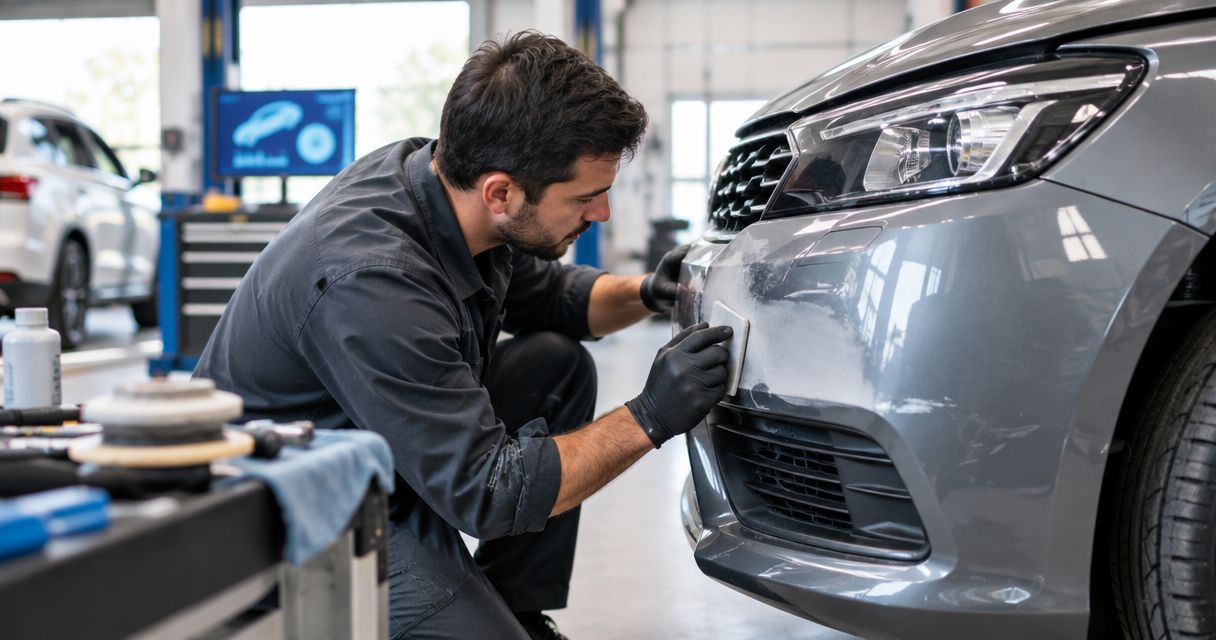
A paint-and-refinishing shop is the appropriate category to investigate when damage is confined to the finish and the bumper cover remains sound. The work centers on preparing the affected surface and restoring the finish.
Do not decide that damage is paint-only from a distant photograph. Ask the shop to inspect attachment points and explain whether the impact left anything beyond scratches or paint transfer.
Paint-and-refinishing shop pros:
- A suitable option when the repair truly concerns the finish alone.
- Keeps the discussion focused on preparation, color matching, and refinishing scope.
- Allows you to ask whether a localized finish repair or broader refinishing is appropriate.
Paint-and-refinishing shop cons:
- A finish-focused estimate can leave collision damage outside its scope.
- Matching color alone does not address texture, gloss, or visible transitions.
For a 2026 estimate, ask which area will be refinished and how the shop will assess the finished result. That answer is more useful than a promise that the scratch will simply disappear.
Best for: Scuffs and finish damage on a bumper confirmed to be otherwise sound.
Buy: Choose this category after inspection establishes that structural, mounting, and equipment-related work is unnecessary.
3. Plastic bumper repair specialists: best for repairable cover damage
A plastic bumper repair specialist evaluates whether a damaged cover can be repaired rather than replaced. The decision depends on the plastic, the damaged area, attachment integrity, and applicable vehicle repair instructions.
A crack is not automatically repairable, and replacement is not automatically required. Ask for a reason tied to the actual part—not a blanket rule about all plastic bumpers.
Plastic bumper repair specialist pros:
- Focuses the assessment on the condition and repairability of the cover.
- Gives you a direct repair-versus-replacement discussion.
- Can separate damage to the cover from damage to components behind it.
Plastic bumper repair specialist cons:
- Damage around attachments or equipment-related areas can restrict repair options.
- Repairing the cover alone does not resolve damaged reinforcement or other underlying parts.
Ask how the proposed repair restores the affected area and how the finish work will follow it. Treat plastic repair and refinishing as connected parts of the estimate, not interchangeable services.
Best for: Localized plastic damage that the inspection and vehicle procedures support repairing.
Hold: Do not authorize a cover repair until the shop explains why that specific damage is repairable.
4. Mobile cosmetic repair services: best for superficial damage
A mobile cosmetic repair service is an option to investigate for minor surface damage when the provider confirms that the work suits an on-site setting. Convenience is its distinct use case, not evidence of a broader collision-repair capability.
Send clear photographs and describe the impact before arranging work. If the bumper is loose, displaced, cracked near an attachment, or associated with a new warning message, request a collision assessment instead.
Mobile cosmetic repair service pros:
- Offers an on-site route for suitable cosmetic work.
- Lets you discuss a small, isolated repair without assuming a full collision job.
- Makes work-location requirements part of the initial conversation.
Mobile cosmetic repair service cons:
- The working environment must suit the proposed preparation and finishing process.
- Cosmetic service is not a substitute for disassembly, hidden-damage inspection, or required equipment checks.
Ask what the provider will do if the damage proves unsuitable after inspection. A clear stopping point protects you from authorizing a cosmetic fix for a larger problem.
Best for: Superficial damage that a qualified provider confirms can be handled at the proposed location.
Skip: Skip mobile cosmetic repair for an impact that needs a broader collision assessment.
5. Full-service collision shops: best for bumper and adjacent damage
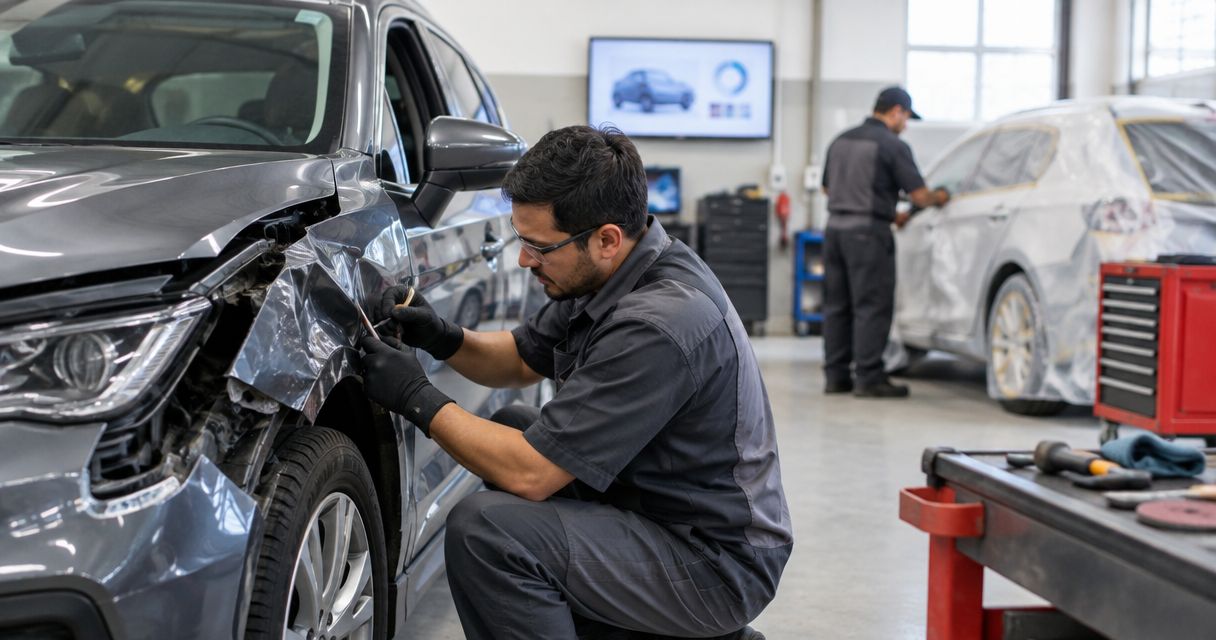
A full-service collision shop is the right category when the bumper impact also affects nearby panels, lamps, mounting areas, or other vehicle components. The value is a coordinated scope rather than a bumper-only treatment.
This category overlaps with factory-certified centers, but the selection priority differs: choose it for the breadth of the accident damage. Still confirm the shop's suitability for your particular vehicle.
Full-service collision shop pros:
- Can organize the assessment around all affected areas rather than just the visible cover.
- Supports a connected discussion of panel fit, attachments, finish work, and equipment-related requirements.
- Gives you one written scope to review for the collision damage.
Full-service collision shop cons:
- More affected components mean more decisions to review before authorizing work.
- A broad service offering alone does not establish vehicle-specific training or certification.
Best for: Impacts involving the bumper plus adjacent damage or suspected hidden damage.
Buy: Choose a full-service collision shop when the accident needs a coordinated repair plan, not an isolated cosmetic correction.
How to compare bumper repair estimates in 2026
Compare 2 written estimates by scope, not just by the final figure. Different totals are not meaningful until you understand whether both estimates describe the same work.
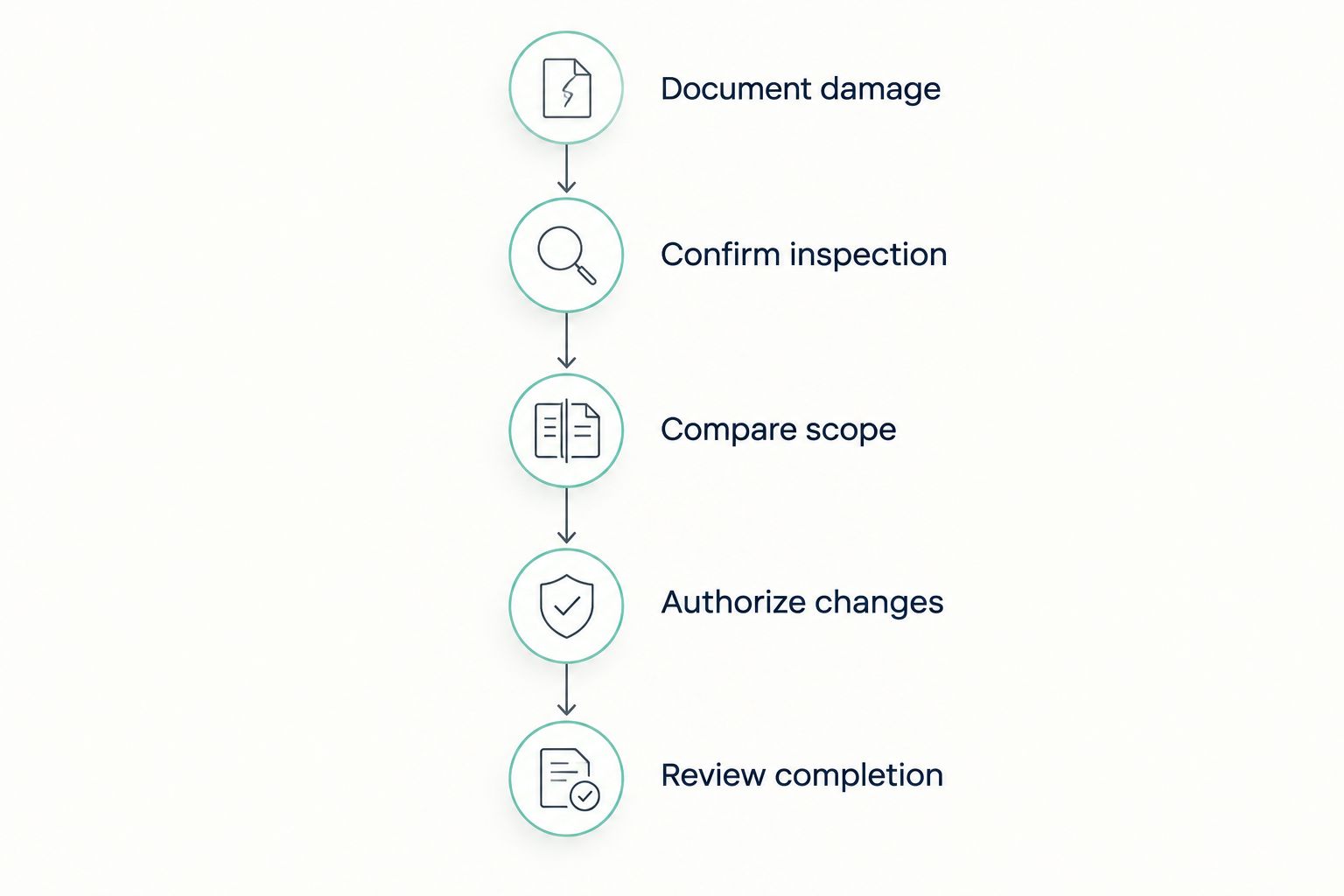
Use this sequence to keep the comparison practical:
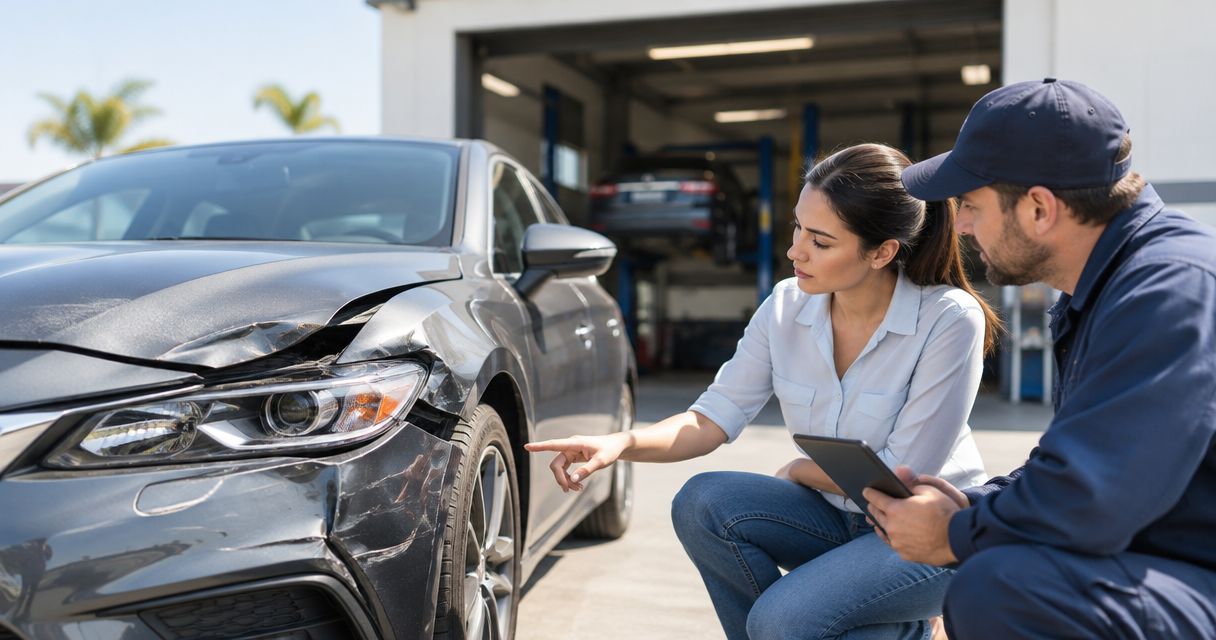
- Document damage: Take 4 photos: a full view, a close-up, a side view showing alignment, and a view of any visible warning message. Do not crawl under an unsafe vehicle.
- Confirm inspection: Ask what can be established visually and what requires removal or further examination.
- Compare scope: Separate cover repair, replacement, refinishing, attachments, and equipment-related work.
- Authorize changes: Agree on how the shop will explain additional findings before you approve more work.
- Review completion: Ask what documents and checks accompany the finished repair.
The purpose is to expose differences, not force two shops to write identical estimates. A shop should explain why its scope fits the damage and the vehicle.
Ask 3 questions before you sign: What remains uninspected? What could change the scope? What will demonstrate that the work is complete? Keep the answers with your estimate and claim documents.
Do not turn a dashboard warning off and assume the underlying issue is resolved. If a warning appeared after the impact, identify it during intake and ask how it affects the repair plan.
How these options are ranked
The ranking follows vehicle fit, damage assessment, repair justification, finish quality, and documented scope. Factory-certified collision repair leads for owners prioritizing vehicle-specific procedures; the remaining options occupy distinct slots for paint damage, plastic damage, on-site cosmetic work, and multi-area collision damage.
This 2026 guide does not rank shops by review scores or repair speed. Those measures would not establish whether a proposed repair is appropriate for your bumper.
Which bumper repair shop should you choose?
Choose MB Collision Group for bumper repair when factory-certified collision repair and insurance-claim assistance match your priorities. Confirm the vehicle-specific details before authorizing work.
Choose a paint-and-refinishing shop for verified paint-only damage, or a plastic specialist when repairing the cover is supported by the assessment. Reserve mobile cosmetic work for suitable superficial damage. Use a full-service collision shop when the impact affects more than the cover.
For your 2026 decision, let the inspection change the shortlist. If the assessment reveals broken attachments or additional collision damage, move beyond the cosmetic option even when the original scratch looked minor.
Discuss your bumper repair
Ask about vehicle-specific repair assessment and insurance-claim assistance.
FAQ
What's the best bumper repair shop in Southern California for my car?
The best fit is a shop whose repair scope matches your damage and vehicle. MB Collision Group is a starting point for owners seeking factory-certified collision repair and insurance-claim assistance; confirm the applicable certification and proposed work.
Should I repair my bumper or replace it?
Repair or replacement depends on the damage, the affected material, and the vehicle's repair procedures. Ask the shop to explain its recommendation for the cover, attachments, and any damaged components behind it.
Can a mobile service fix my bumper after an accident?
Mobile cosmetic service fits superficial damage only when the provider confirms the work suits an on-site setting. An impact involving loose attachments, hidden damage, or equipment-related concerns needs a collision assessment.
Does a small bumper scratch need a full collision repair?
A small scratch does not by itself establish the need for full collision repair. Have the shop distinguish finish damage from damage to the cover, attachments, and underlying components before selecting the service.
What should I ask a factory-certified bumper repair shop?
Ask which certification applies to your exact vehicle and which repair procedures govern the job. Then request a written explanation of inspection, repair or replacement, refinishing, and any equipment-related requirements.
How do I compare bumper repair estimates in 2026?
Compare the included work before comparing the final figures. Check whether each estimate includes the same inspection, parts decisions, finish work, attachments, and equipment-related steps.
Can bumper damage affect parking sensors or driver-assistance systems?
Bumper damage can affect equipment fitted in or near the damaged area. Tell the shop about new warnings or changed behavior and ask which checks or procedures apply to your vehicle.
One last thing
Inspect alignment, not just paint, when you collect the vehicle. Look at the gaps around the bumper, lamps, and adjacent panels, then ask about anything that appears uneven or loose.
A finish can look convincing while leaving your original concern unanswered. Bring your intake photos and ask the shop to walk through the completed work against the written scope.