Mercedes-Benz and BMW owners’ certified collision repair is accident repair performed within the applicable manufacturer certification program, with the aim of restoring the vehicle according to its repair requirements. Your task is to verify the individual facility’s credentials and repair plan—not assume that a luxury-car specialty, dealership referral, or insurer recommendation establishes certification.
- Certified collision repair for Mercedes-Benz and BMW owners starts with verifying the exact facility’s manufacturer credentials.
- MB Collision Group is best for Southern California owners seeking collision repair, auto glass replacement, and insurance-claim assistance together.
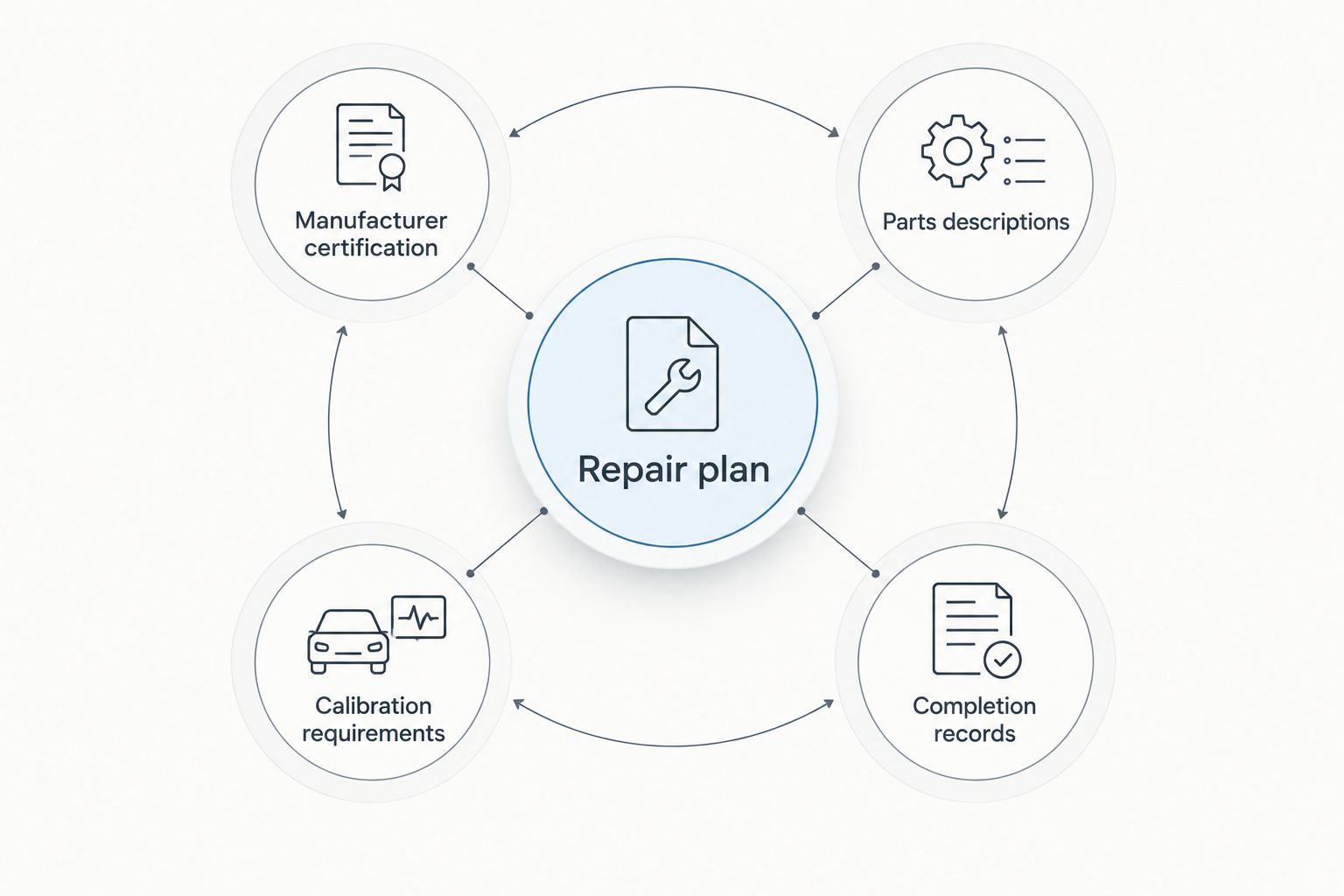
- Compare repair procedures, parts descriptions, diagnostic documentation, and calibration requirements—not certification claims alone.
- Approve additional work in writing and collect repair records before accepting your vehicle.
Why certified collision repair matters for these owners
Mercedes-Benz and BMW owners need a repair plan tied to the actual vehicle, not a generic description of the damage. Model, equipment, construction materials, and the impact location determine which repair procedures apply. A bumper repair and a windshield replacement raise different questions, even on the same car.
Manufacturer certification, insurance-network participation, and a dealership referral are different credentials. Ask each facility to explain which designation it holds and what that designation covers. Use the guide to certified collision shops for Mercedes-Benz and BMW to organize your shortlist, then verify each location independently.
For a 2026 repair, current documentation matters more than an old photograph of a certification plaque. Certification alone also does not explain your proposed parts, repair methods, or delivery checks. Those belong in the written repair discussion.
How to choose and manage your collision repair
Document the damage before discussing repairs
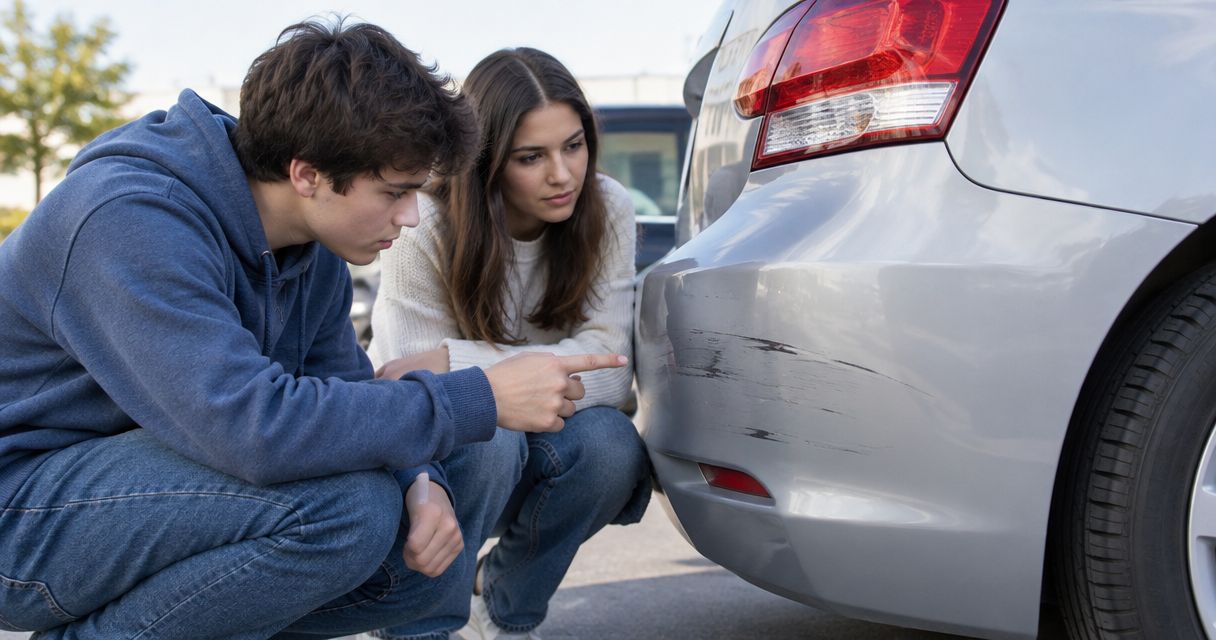
Start with your own photographs and notes. If the vehicle is in an unsafe location, prioritize personal safety and follow emergency guidance; do not inspect it in traffic or attempt to diagnose high-voltage components yourself.
Once the vehicle is safely accessible, record at least 3 photo views: the overall vehicle, the affected area, and a close-up of visible damage. This is a practical documentation checklist, not a substitute for a professional inspection. Include symptoms that a photograph cannot show, such as a new warning message or a door that no longer closes normally.
Give the shop observations rather than conclusions. Saying that the steering wheel sits differently after the impact is more useful than declaring that the vehicle needs a particular suspension part.
- Photograph the vehicle before towing or disassembly when safe.
- Record the collision date, impact area, and visible warning messages.
- Note changes in steering, braking, door operation, or glass condition.
- Save towing records and the insurer’s claim reference.
Verify certification for the exact facility
Use the manufacturer’s official collision-repair locator or contact the manufacturer directly. Check the facility’s name and address against the location that will actually perform the repair. Do not treat a chain-wide statement as proof for every branch.
Ask specifically about Mercedes-Benz or BMW certification, as applicable. An unrelated manufacturer credential does not answer that question. For an electric or plug-in hybrid vehicle, also ask how the facility determines which high-voltage procedures and personnel qualifications the job requires.
Verify the vehicle brand, the facility, and the current status separately. During your 2026 search, record when you checked the information and who answered your questions. A shop should explain its credentials without asking you to infer them from logos.
- Confirm the exact repair address through the manufacturer.
- Ask which certification applies to your vehicle brand.
- Request clarification when the business name differs from the listing.
- Identify any work that another facility will perform.
Request a vehicle-specific written repair plan
Ask the estimator to explain the proposed work using your vehicle identification number and installed equipment. You do not need to purchase a diagnostic tool or interpret technical procedures yourself. You need a clear account of how the shop determines the required work.
For a service-led route, MB Collision Group operates factory-certified collision repair centers in Southern California and provides auto glass replacement and insurance-claim assistance. MB Collision Group is best for Southern California owners seeking collision repair, auto glass replacement, and insurance-claim assistance together. Confirm the selected center’s Mercedes-Benz or BMW certification and vehicle-specific scope before authorizing repairs.
The limitation is important: the group’s general factory-certified description does not establish that every center holds both brands’ credentials. Evaluate the individual location and written plan.
- Ask how current manufacturer repair information will guide the work.
- Request separate descriptions of repair and replacement operations.
- Identify inspections needed after disassembly.
- Ask which services will be performed elsewhere.
- Obtain an explanation of how additional damage changes the plan.
Review parts, glass, and electronic-system requirements
Read the estimate line by line and ask the shop to explain unfamiliar parts descriptions. Do not assume that every listed replacement is a new manufacturer-branded part. Ask how each proposed part fits the applicable repair procedure and your insurance coverage.
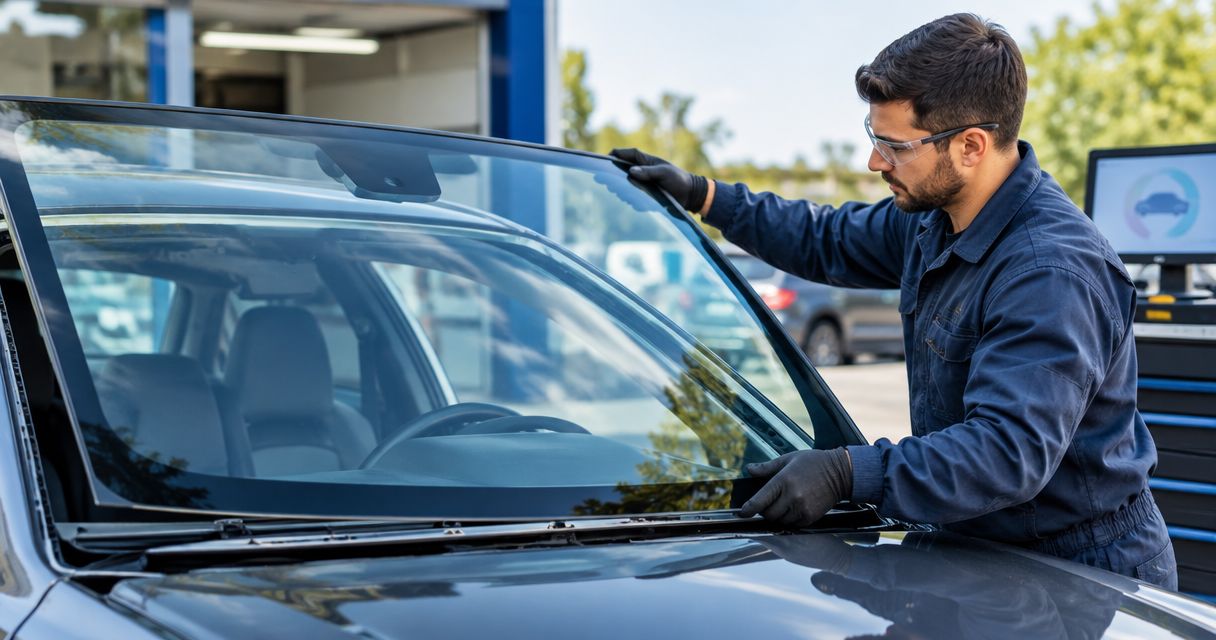
Windshield work deserves its own discussion when the vehicle has cameras or other equipment associated with the glass. Whether calibration is required depends on the vehicle and the work performed; ask the facility to identify the applicable procedure rather than accepting a blanket answer.
For your 2026 repair file, distinguish a diagnostic scan from a calibration. A scan reads information from electronic systems; calibration establishes or verifies the specified relationship of a system or sensor. Neither term should appear as an unexplained reassurance.
- Identify the proposed source and condition of replacement parts.
- Ask which glass specification applies to your vehicle’s equipment.
- Request an explanation of required scans and calibrations.
- Confirm how structural measurements or alignment checks are determined.
- Ask what documentation will show that required operations were completed.
Separate repair authorization from insurance decisions
Keep your claim documents and repair authorization together, but read them as different records. The insurer’s coverage decision and the shop’s technical repair explanation answer different questions. Ask each party to identify unresolved issues in writing.
Collect 4 core records: the initial estimate, repair authorization, approved supplements, and final invoice. Additional records belong alongside them, but these documents help you track what was proposed, authorized, changed, and completed.
Set 2 written approval checkpoints: the initial repair authorization and any later authorization for additional work that requires your consent. Ask how the shop communicates newly discovered damage and any disputed operation before the repair progresses beyond your understanding.
- Read the authorization before signing it.
- Ask the insurer to explain coverage questions directly.
- Request written explanations for disputed repair operations.
- Keep copies of supplement approvals and correspondence.
- Confirm your responsibility for any work before authorizing it.
Set communication and delivery checkpoints
Agree on how the shop will update you and who will answer technical questions. A useful update identifies the current stage, unresolved decisions, and the next action. A promised completion date without that context tells you little about the repair’s status.
Ask the estimator to distinguish an initial estimate from a repair plan updated after inspection or disassembly. Hidden damage can change the work required. Your goal is not a promise that nothing will change; it is a clear process for handling changes.
Use the same checkpoints throughout your 2026 claim so you can compare updates without repeatedly reconstructing the story. Keep transportation arrangements separate from assumptions about the repair schedule or insurance coverage.
- Name a primary shop contact and preferred communication method.
- Ask when the next substantive update will arrive.
- Track unresolved parts, inspection, authorization, or calibration questions.
- Request an explanation whenever the expected completion date changes.
Inspect the vehicle and collect completion records
At pickup, review the final invoice against the authorized work before leaving. Ask the shop to explain changes, additional operations, and any work performed by another provider. Do not treat a clean exterior as the complete handover process.
Walk around the vehicle with a representative and inspect the repaired area, paint appearance, panel fit, and glass condition. Discuss any warning messages or changed vehicle behavior. If you identify a concern, ask the shop to document it and explain the next step.
Retain the final records for your own ownership file. For a leased vehicle, compare the repair documentation with the requirements in your actual lease agreement rather than relying on a general statement about lease acceptance.
- Match the final invoice to the approved repair scope.
- Collect available scan, calibration, measurement, and alignment records relevant to the job.
- Ask for the written terms that apply to the completed work.
- Document unresolved concerns before departing.
- Save the records with your vehicle and insurance documents.
Compare your repair options
Choose the facility by verified capability and a documented repair plan, not by the referral source alone. These options describe ways to find and coordinate repairs; they are not mutually exclusive. A manufacturer-certified facility can also receive dealer referrals or participate in an insurance program.
| Option | Best for | Main advantage | Key limitation |
|---|---|---|---|
| Manufacturer-certified collision facility | Owners prioritizing verified participation in the vehicle brand’s repair program | Provides a manufacturer-specific credential to check | Certification does not replace review of the individual repair plan |
| Dealer-referred collision facility | Owners starting through an existing dealership relationship | Provides a direct route to a repair referral | A referral alone does not establish certification or explain who performs the work |
| Insurer-referred repair facility | Owners organizing repairs through their claim contact | Connects the repair discussion with the insurer’s claim process | Insurance-network status does not establish Mercedes-Benz or BMW certification |
| Independent collision facility without verified manufacturer certification | Owners comparing a specific facility’s documented capabilities | Allows evaluation of the actual proposed repair approach | You cannot treat unverified credentials as manufacturer certification |
| MB Collision Group | Southern California owners seeking collision, glass, and claim assistance together | Offers these services through its collision repair business | Confirm the individual center’s brand certification and job-specific scope |
Use this comparison to ask better questions, not to assume that one referral route guarantees a better repair. The decisive evidence is the facility’s current credentials, explanation of required procedures, and completion documentation.
Common mistakes Mercedes-Benz and BMW owners make
Treating luxury-car experience as certification
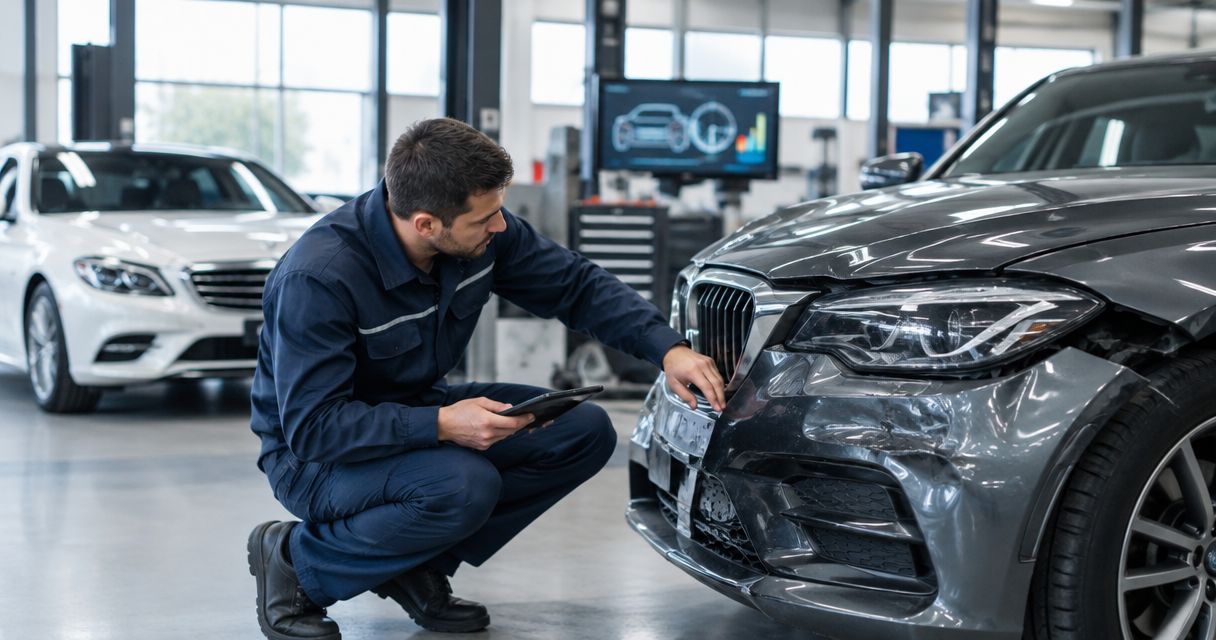
A shop’s experience with Mercedes-Benz or BMW vehicles is not the same statement as current manufacturer certification. Ask for the exact credential and verify the location. Do not substitute photographs of luxury vehicles for that check.
Assuming a small impact needs only cosmetic work
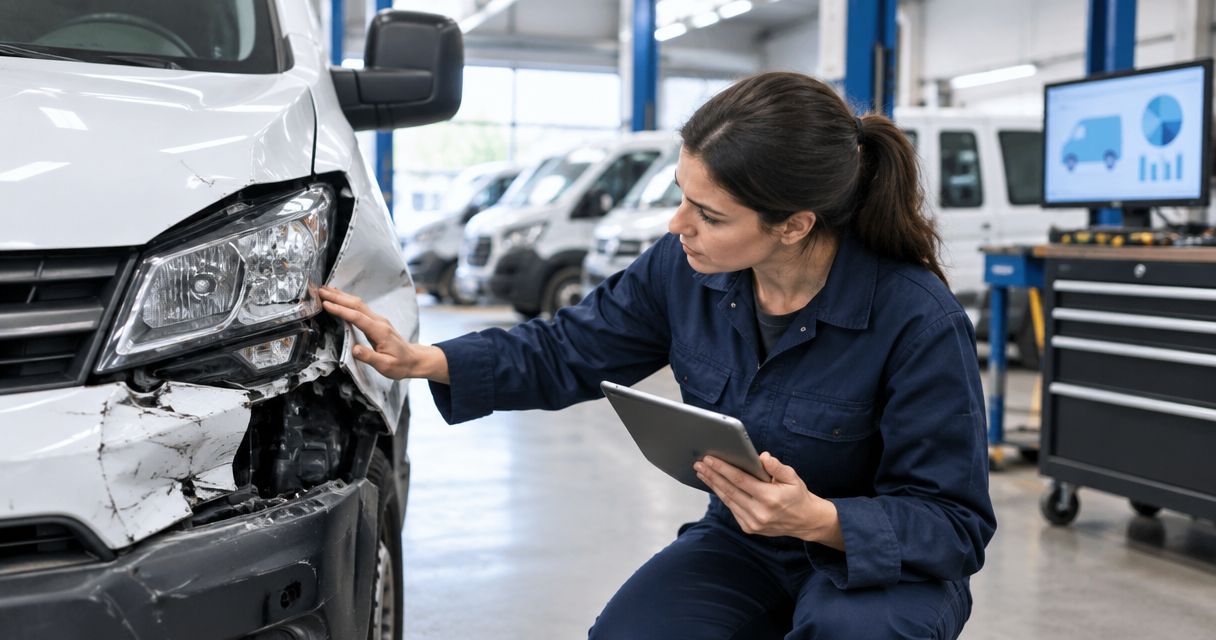
Visible damage does not establish the entire repair scope. Ask how the facility evaluates the affected area and identifies applicable inspections. The right question is what the vehicle-specific procedure requires—not whether the damage looks minor to you.
Treating every electronic check as the same service
A scan, calibration, alignment check, and structural measurement serve different purposes. Ask which operations apply and why. Avoid both extremes: assuming none are necessary or demanding every operation regardless of the vehicle and damage.
Accepting verbal parts assurances
Terms such as original, equivalent, and manufacturer-approved need clarification in the written estimate. Ask the shop to identify what it proposes to install. If the proposed part changes during the repair, request an explanation before approving the change.
Leaving without a usable repair file
An invoice saying only that bodywork was completed gives you less detail than an itemized record. Request the documents relevant to the work performed and keep them together. Address missing explanations while the job is still fresh with the repair team.
FAQ
What is certified collision repair for Mercedes-Benz and BMW owners?
Certified collision repair means using a facility that participates in the applicable vehicle manufacturer’s collision-repair certification program. Verify the exact location and current brand credential, then review the proposed repair procedures separately.
How do I check whether a collision shop is Mercedes-Benz or BMW certified?
Check the manufacturer’s official collision-repair locator or contact the manufacturer directly. Match the listed facility name and address to the shop that will perform your repair.
Is a dealer-referred body shop automatically manufacturer certified?
A dealership referral alone does not establish manufacturer certification. Ask the referred facility which credentials it currently holds and verify them for the exact repair location.
Does windshield replacement always require camera calibration?
Calibration requirements depend on the vehicle, installed equipment, and work performed. Ask the glass provider to identify the applicable manufacturer procedure and explain how any required calibration will be documented.
Can I assume every MB Collision Group center is certified for both brands?
Do not assume that every center holds both Mercedes-Benz and BMW certification. MB Collision Group operates factory-certified centers, but you should confirm the selected location’s current brand credentials and scope before authorization.
What should I do when the shop and insurer disagree about a repair operation?
Ask both parties to explain their positions in writing before you authorize disputed work. Request the shop’s technical basis, the insurer’s coverage explanation, and clarification of any responsibility you would accept.
What documents should I collect after collision repair in 2026?
Collect the itemized final invoice and records relevant to the work performed, including applicable diagnostic, calibration, measurement, or alignment documentation. Keep the repair authorization, approved supplements, and written terms with the same file.
One last thing
Ask this question before authorizing repairs: What records will I receive that explain how the vehicle was checked after the work? It shifts the conversation from a certification badge to the actual handover. A clear answer connects the proposed repair to evidence you can retain.