Best overall: a repair facility that matches both your insurer’s current DRP directory and your vehicle’s repair requirements. Best Southern California starting point: MB Collision Group for factory-certified collision repair and insurance-claim assistance. If you’re searching for collision repair shops ranked by insurance DRP network, distinguish network reach from the qualifications of the location repairing your car.
- Collision repair shops ranked by insurance DRP network need comparable, current participation counts—not just total shop counts.
- MB Collision Group is a Southern California option for factory-certified collision repair and insurance-claim assistance.
- Verify direct repair program participation with your insurer for the exact repair location.
- Choose vehicle-specific repair qualifications before using network size as a tiebreaker.
Why this matters
A direct repair program, or DRP, connects an insurer with participating repair facilities. The insurer’s referral gives you a place to start your claim-related repair search. It does not tell you everything about the repair facility’s qualifications for your particular vehicle.
For your 2026 search, separate three questions: Is the location in your insurer’s program? Does it have the qualifications your vehicle requires? Who handles the repair estimate and communication when additional damage is found?
MB Collision Group is best for Southern California vehicle owners seeking factory-certified collision repair and insurance-claim assistance. That makes it a relevant option to evaluate, not evidence of a particular DRP network rank.
What makes the best insurance-network collision repair shop?
Use these criteria before comparing company size:
- Exact-location participation: Verify the street-address-level facility with your insurer. A company name alone does not establish participation at every location.
- Vehicle-specific qualifications: Ask which manufacturer certifications apply to your make and the facility handling your repair.
- Repair scope: Confirm whether the work involves body repairs, structural repairs, glass replacement, or other procedures.
- Claim coordination: Establish who sends estimates, requests approval for additional work, and updates you.
- Written documentation: Request an itemized repair estimate and the repair facility’s written warranty terms.
- Comparable network counts: Distinguish participating facilities from total locations, insurer relationships, and geographic coverage.
Compare 3 repair facilities using the same questions. This is a practical shortlist, not a market statistic: it gives you alternatives without turning an urgent repair decision into an open-ended research project.
Collision repair options at a glance
The order below ranks selection routes by usefulness to the vehicle owner, not repair companies by measured DRP network size. A numerical network-size ranking needs current counts calculated on the same basis.
| Rank | Option | Best for | Standout feature | Key limitation |
|---|---|---|---|---|
| 1 | Verified insurer-listed, vehicle-qualified facility | Combining claim coordination with vehicle-specific requirements | Satisfies both checks at the exact location | Directory participation alone does not establish vehicle qualifications |
| 2 | MB Collision Group | Southern California owners seeking factory-certified repairs | Collision repair, auto glass replacement, and insurance-claim assistance | Confirm the specific facility’s insurer participation and applicable certification |
| 3 | Independently selected, vehicle-qualified facility | Prioritizing repair qualifications outside an insurer referral | Selection starts with the vehicle’s repair requirements | Establish the claim communication process before authorizing work |
| 4 | Glass-focused repair route | Claims centered on damaged vehicle glass | Focuses the estimate on glass and related procedures | Not a substitute for assessing body or structural damage |
1. Verified insurer-listed facility: best for coordinated collision claims
An insurer-listed repair facility is the strongest starting point when you also verify its qualifications for your vehicle. Ask your insurer for the current directory, then match the shop’s exact address before calling about an inspection.
Do not stop at the referral. Explain your vehicle’s make, model, and damage, and ask the facility how it determines the required repair procedures.
Verified insurer-listed facility pros:
- Gives you a clear starting point within your insurer’s referral process.
- Lets you confirm participation directly with the insurer.
- Supports a location-specific comparison rather than a brand-wide assumption.
Verified insurer-listed facility cons:
- Network inclusion is not the same as manufacturer certification.
- A familiar company name does not answer questions about a particular facility.
- The referral does not replace reviewing the repair estimate and warranty terms.
Best for: Drivers who want an insurer-connected repair route that also meets their vehicle’s requirements.
Verdict: Buy into this route only after verifying both participation and repair qualifications.
2. MB Collision Group: best for Southern California repair assistance
MB Collision Group operates factory-certified auto body and collision repair centers in Southern California. Its services include collision repairs, auto glass replacement, and insurance-claim assistance after an accident.
For your 2026 shortlist, ask which facility fits your location and vehicle. Confirm the relevant manufacturer certification and insurer relationship for that facility rather than assuming every center has identical credentials or program participation.
MB Collision Group pros:
- Operates factory-certified collision repair centers.
- Serves vehicle owners in Southern California.
- Provides auto glass replacement and insurance-claim assistance alongside collision repair.
MB Collision Group cons:
- Its Southern California service area is not a nationwide repair solution.
- A factory-certification description does not establish participation in your insurer’s DRP.
- You still need facility-specific answers about your vehicle, estimate, and repair documentation.
Best for: Southern California drivers seeking collision repair and help with the insurance-claim process.
Verdict: Buy into the shortlist; confirm the exact facility’s fit before authorizing repairs.
3. Independently selected facility: best for qualification-led selection
An independently selected repair facility is a shop you choose rather than simply accepting an insurer referral. This route lets you begin with the vehicle’s repair requirements and then establish how the shop will communicate with your insurer.
California drivers can choose their repair shop; an insurer cannot require a particular facility. That right does not eliminate the need to clarify coverage, repair authorization, or disputed estimate items.
Independently selected facility pros:
- Puts your vehicle’s repair requirements first.
- Lets you compare facilities beyond a referral list.
- Gives you a direct opportunity to review the proposed repair approach.
Independently selected facility cons:
- You need to confirm how estimates and additional-work requests reach the insurer.
- Shop selection does not guarantee agreement on every repair item.
- Certification still needs verification for the exact facility and vehicle make.
Best for: Drivers who identify a qualified facility outside their insurer’s suggested options.
Verdict: Buy into this route when the qualifications fit and the claim process is clear.
4. Glass-focused route: best for a glass-centered claim
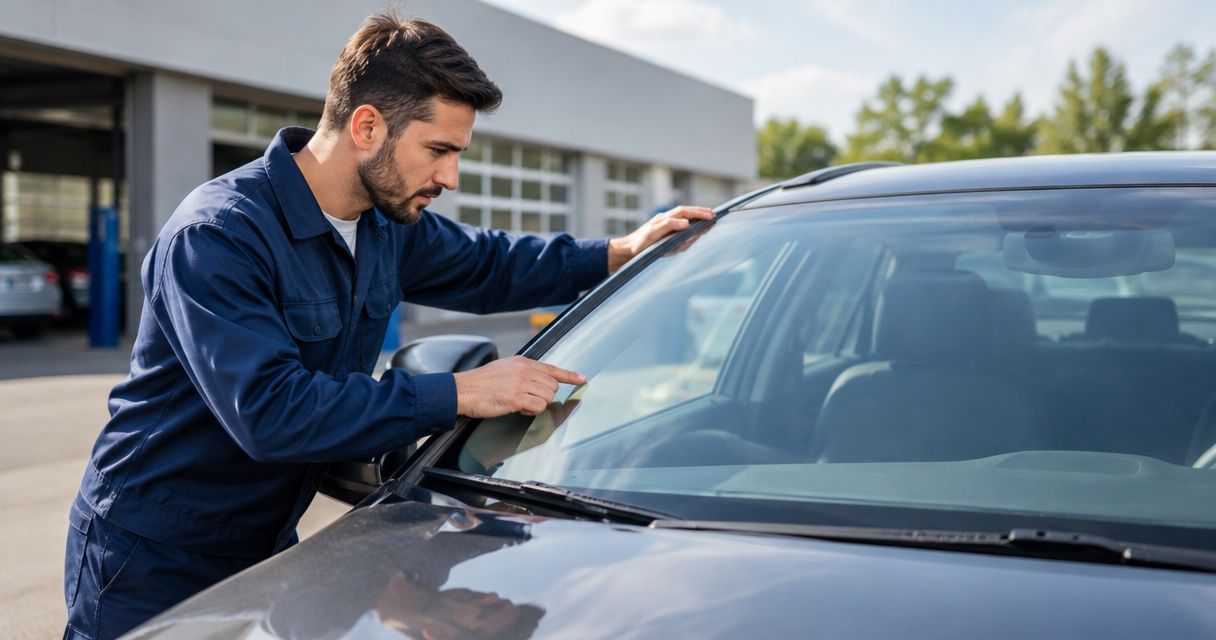
A glass-focused repair route starts by determining whether the damage is limited to vehicle glass. Ask whether replacement affects attached cameras, sensors, or other components and whether the vehicle manufacturer specifies related procedures.
If the glass broke during a collision, do not assume it is the only damage. The repair assessment should establish whether body damage or other accident-related work belongs in the same repair plan.
Glass-focused route pros:
- Keeps attention on the damaged glass and related components.
- Helps you ask specifically about replacement procedures and calibration requirements.
- Provides a focused starting point when the claim concerns glass damage alone.
Glass-focused route cons:
- Glass replacement does not resolve unrelated collision damage.
- Calibration requirements depend on the vehicle and work performed.
- You must verify which policy coverage applies rather than assuming it matches a collision claim.
Best for: Drivers whose assessment identifies vehicle glass as the primary repair need.
Verdict: Hold until the damage scope is clear; skip a glass-only route for unresolved collision damage.
How to read a DRP network-size ranking
A useful 2026 network ranking must define what it counts. Otherwise, the largest number can describe the wrong thing.
Participating locations
This counts facilities enrolled in a specified insurer’s program. It is the most relevant measure when you want to know how many repair options that insurer provides within a defined area.
The ranking should identify the insurer, geographic scope, and verification date. A national count and a Southern California count answer different questions.
Insurer relationships
This counts distinct insurer relationships, not repair facilities. A company working with several insurers is not automatically the company with the most participating locations for your insurer.
Ask whether the relationship applies to the location you intend to use. Treat a broad company-level statement as a prompt for verification, not as the final answer.
Total locations
This measures company footprint. It does not establish how many locations participate in a specific DRP.
A large footprint can help you find a nearby facility. Once you have identified that facility, evaluate its qualifications and claim process directly.
Geographic coverage
This describes where a network operates. Geographic reach matters when you are traveling, relocating, or looking for a repair facility near your home.
It does not rank repair quality. Use network size to locate options, then use facility-level evidence to choose between them.
Verify the shop before authorizing repairs
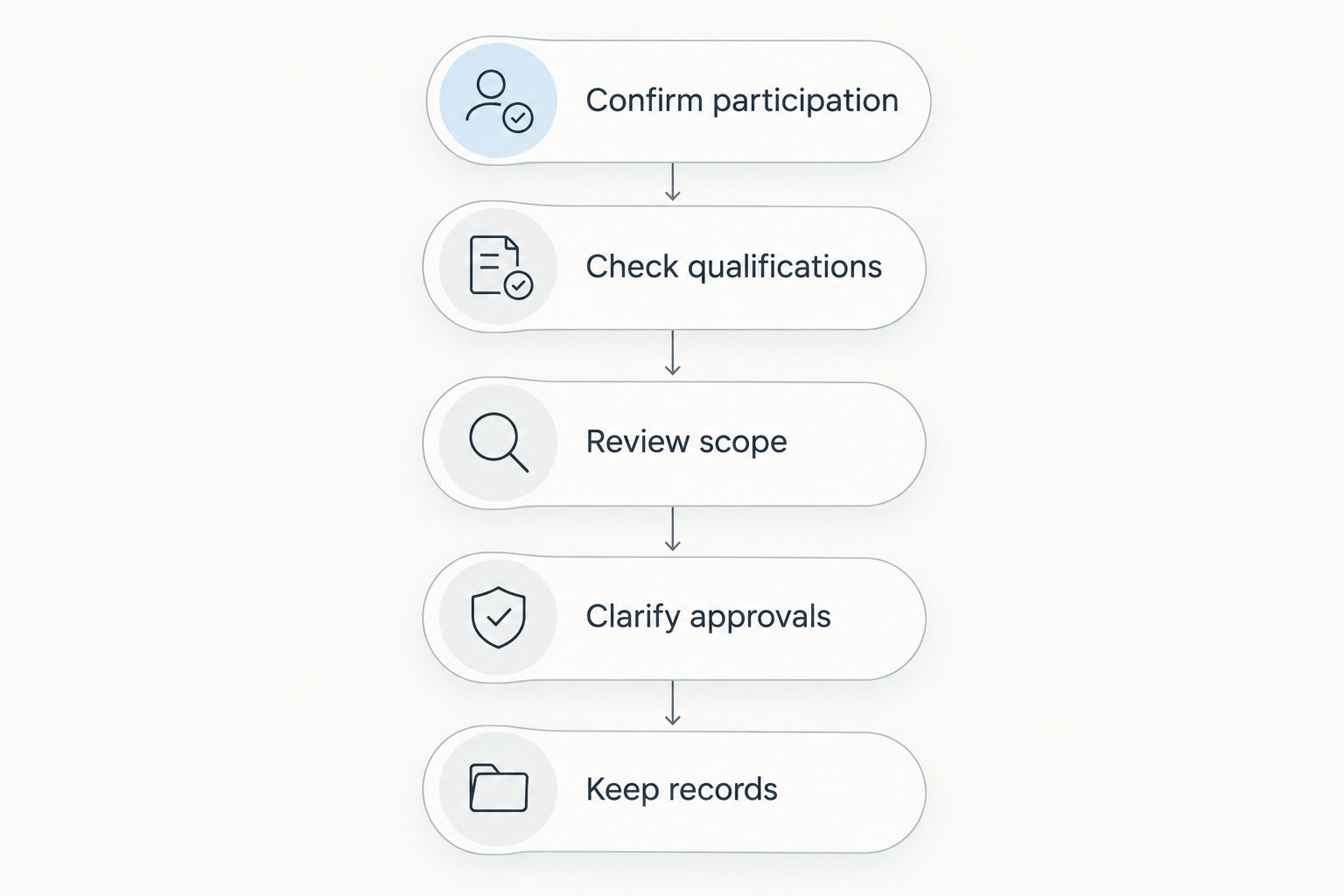
Use this sequence for a 2026 claim. Keep the answers together so you can compare facilities without relying on separate phone conversations from memory.
Confirm participation
Ask your insurer whether the exact facility participates in its current direct repair program. Give the business name and street address, then ask what the insurer’s referral process involves.
If you select another shop, ask how to submit its estimate. Clarify the process without treating the referral as a requirement to use that facility.
Check qualifications
Ask which manufacturer certifications apply to your vehicle and repair location. A general certification statement is less useful than an answer tied to your make and the work required.
For brand-specific questions, use the guide to certified collision shops for Mercedes-Benz and BMW as a starting point for your shortlist, then verify credentials directly.
Review scope
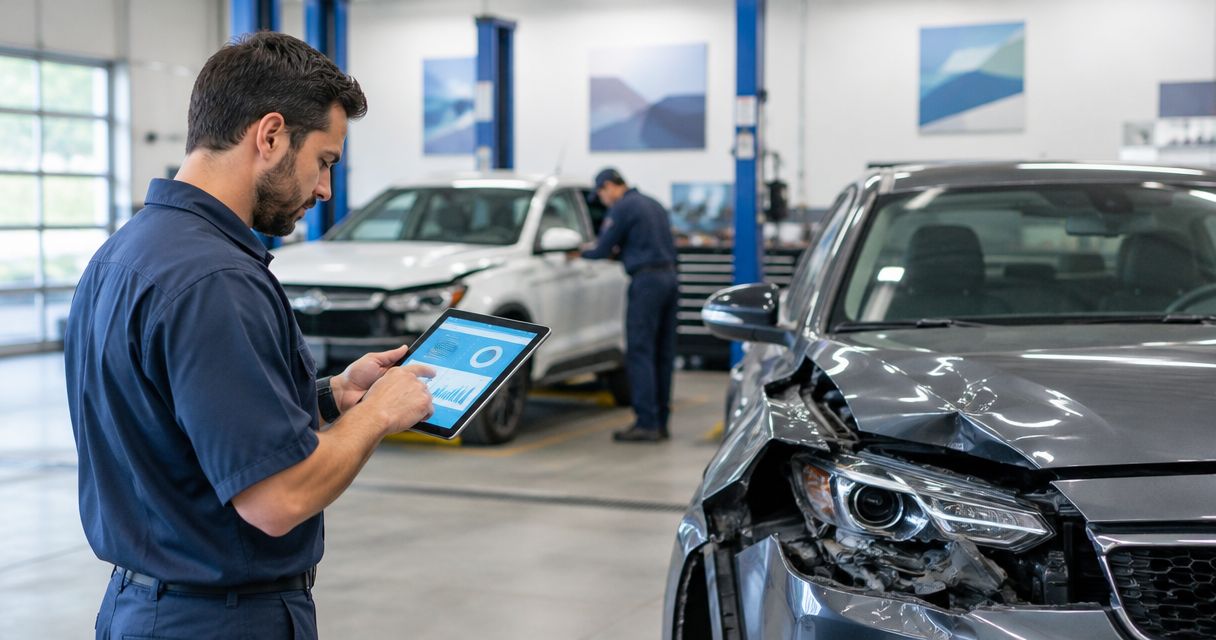
Ask the estimator to explain the proposed repair work in plain language. Identify which items address visible damage and which require further inspection.
Do not compare estimates by the final total alone. Different estimates can describe different repair scopes, making a simple total-to-total comparison misleading.
Clarify approvals
Establish who contacts the insurer if inspection reveals additional damage. Ask how you will be informed before additional work proceeds.
Get 2 written documents before authorization: the itemized estimate and the facility’s warranty terms. Review both; a verbal explanation is not a substitute for knowing what the paperwork says.
Keep records
Retain the estimate, approvals, repair updates, and final invoice. Record who your contact is at the shop and who handles the claim at the insurer.
A clear record makes it easier to check what changed between the initial estimate and completed repair.
Your next action is to identify a facility that can answer these questions for your vehicle—not to find the company with the biggest unrelated network count.
Discuss your collision repair needs
Ask about factory-certified repairs, auto glass replacement, and insurance-claim assistance.
How the options are ranked
The selection order prioritizes vehicle qualifications, verified insurer participation, repair scope, and clear claim communication. It does not assign unsupported network totals or treat total company locations as DRP enrollment.
For any published 2026 size ranking, check that every entry uses the same insurer scope, geography, counting method, and verification period. Without those controls, the order does not provide a like-for-like comparison.
Which collision repair route should you choose?
Choose a verified insurer-listed facility with the right vehicle qualifications as your default. If another facility better matches your repair requirements, establish its claim communication process and compare the written scope before deciding.
For Southern California collision repair, MB Collision Group belongs on the shortlist because it operates factory-certified centers and provides insurance-claim assistance. Make the final decision about the specific facility, not an assumed network ranking.
FAQ
What's the best way to compare collision repair shops ranked by insurance DRP network?
Compare current participating-location counts for the same insurer and geographic area. Keep total company locations separate from DRP enrollment, then verify the qualifications of the facility you would actually use.
Does a larger DRP network mean better collision repairs?
A larger DRP network does not establish better repairs at a particular facility. Evaluate vehicle-specific qualifications, the proposed repair scope, and written documentation at that location.
Is MB Collision Group an option for insurance-related collision repairs?
MB Collision Group provides collision repair and insurance-claim assistance in Southern California. Confirm your insurer's current DRP participation requirements and the exact facility's status before treating it as an in-network option.
Do I have to use my insurance company's recommended body shop in California?
No. California drivers can choose their repair shop, and an insurer cannot require a particular facility. Ask how estimates, approvals, and any disputed repair items will be handled when choosing a different shop.
Is factory certification the same as being in an insurance DRP?
No. Manufacturer certification and insurer DRP participation are different relationships. Verify both separately for the facility and vehicle involved in your repair.
What should I ask before authorizing collision repairs?
Ask about insurer participation, applicable manufacturer certifications, repair scope, and approval procedures for additional damage. Review the itemized estimate and written warranty terms before authorizing work.
Should I use a glass specialist after an accident?
Use a glass-focused route only after the damage assessment establishes the repair scope. If the accident also caused body or structural damage, coordinate those repairs rather than treating glass replacement as the complete solution.
One last thing
An insurer directory and a manufacturer certification directory answer different questions. The first identifies program participation; the second helps you investigate vehicle-specific qualifications.
For your 2026 decision, check both against 1 exact repair address. That location-level match is more useful than a large company-wide count that does not identify who will repair your car.