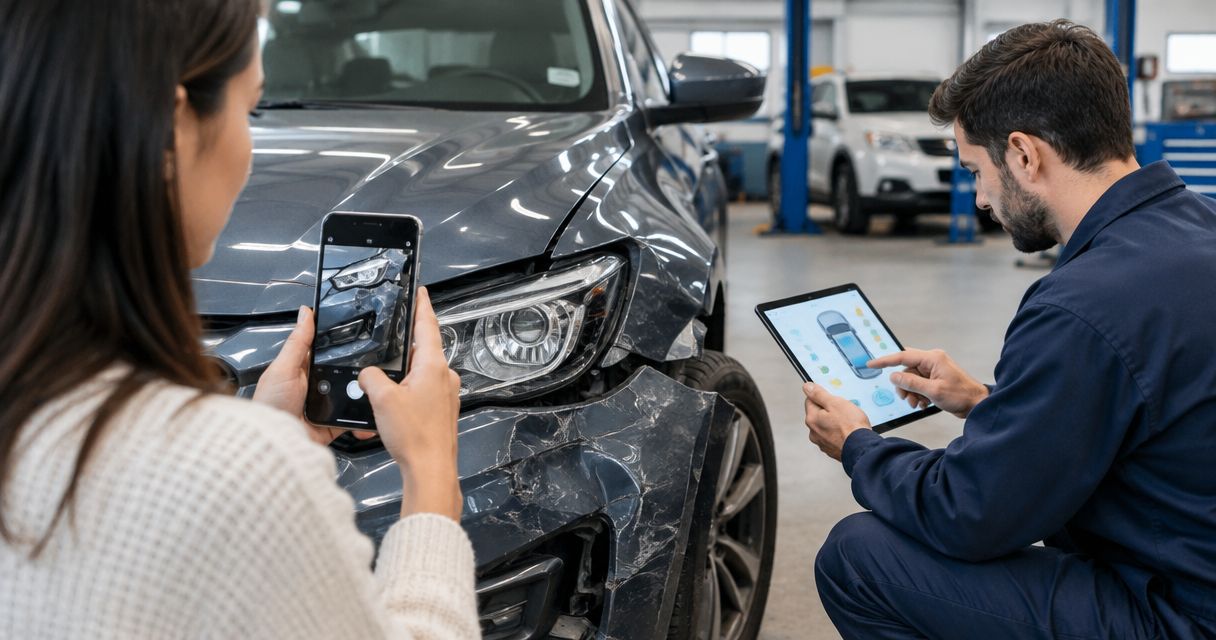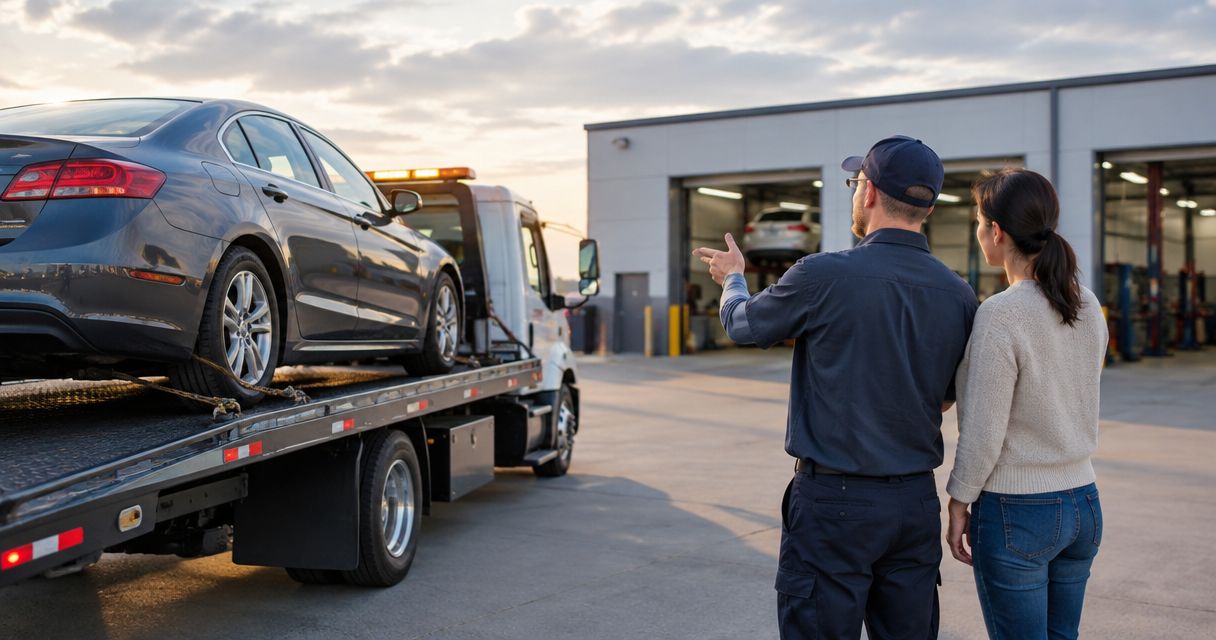
Instead of repeatedly forwarding a total loss notice to support a diminished value claim after repair, connect the notice to a documented claim-status review, completed repair records, and evidence of reduced market value. A total loss notice does not establish post-repair diminished value: first determine whether the insurer still considers the vehicle a total loss.
- A diminished value claim after repair requires a separate review from a total-loss valuation dispute.
- Confirm the vehicle’s written claim status before assembling repair records and market-value evidence.
- Keeping and repairing a totaled vehicle does not automatically create a separate diminished value entitlement.
- MB Collision Group provides collision repair and insurance-claim assistance, not a guaranteed diminished value settlement.
Why this matters
A total-loss dispute concerns the vehicle’s value before the accident and the proposed settlement. A diminished value claim after repair concerns a different question: whether the repaired vehicle remains worth less because of the accident. Mixing those questions produces a demand that is difficult to evaluate.
For a claim you are organizing in 2026, start with the insurer’s current written position—not an early estimate, a telephone conversation, or the fact that repairs occurred. A preliminary total-loss assessment and a final settlement are not interchangeable.
MB Collision Group is best for Southern California vehicle owners seeking collision repair and insurance-claim assistance. Valuing a legal claim is a separate task from documenting the work performed on your vehicle.
This workflow organizes your evidence. Coverage, recoverable damages, deadlines, and the effect of any settlement depend on the policy, applicable law, and claim documents.
Before you start
- Gather the complete claim file. Collect the total loss notice, valuation report, estimates, supplements, vehicle photographs, repair invoices, correspondence, and any settlement or release. Include your vehicle identification number, accident date, and claim number.
- Confirm who is handling each issue. Identify your insurer, the other driver’s insurer if involved, the repair facility, and the person responsible for reviewing valuation questions. Access to repair paperwork does not establish insurance coverage or liability.
- Check the settlement before preparing another demand. A signed release or completed total-loss settlement can affect further recovery. Keeping the vehicle and repairing it does not automatically reopen a settled claim. Obtain qualified legal advice about documents you do not understand before signing or submitting a new demand.
Create 3 folders: claim status, repair records, and value evidence. Keep original documents unchanged and use separate working copies for annotations. This prevents a revised estimate from being mistaken for a final invoice.
MB Collision Group’s collision repair and insurance-claim assistance address the repair side of this process. Do not treat a repair estimate as an independent appraisal of lost market value.
Choose the correct claim path
Use this comparison before building your packet. These are different claim situations, not interchangeable ways to recover the same loss.
| Claim path | Best for | Useful evidence | Strength | Limitation |
|---|---|---|---|---|
| Total-loss valuation review | Owners disputing the pre-accident vehicle valuation | Valuation report, comparable vehicles, mileage, condition records | Targets the basis of the total-loss settlement | Does not establish a post-repair value loss |
| Diminished value review after repair | Owners whose vehicles were repaired and who seek review of remaining value loss | Final repair records and supported before-and-after valuations | Separates repair expenses from alleged residual loss | Recovery depends on legal entitlement and evidence |
| Retained-salvage review | Owners keeping a vehicle the insurer treated as totaled | Settlement terms, title records, repair records | Makes the vehicle’s actual settlement and title history explicit | Repairs alone do not establish another recoverable loss |
Choose the path from the written claim status, not from the outcome you want. If the documents conflict, resolve that conflict before submitting a valuation demand.
Claim status
The first configuration unit is your claim-status record. The bold labels below are fields you create in your own checklist; they are not insurer portal buttons or standardized insurance forms.
- Record the notice. Under Original notice, enter the notice date and the insurer’s exact description of the decision. Preserve whether the notice describes a preliminary assessment, a total-loss determination, or a settlement proposal.
- Request the current position. Ask the adjuster to confirm in writing whether the vehicle remains classified as a total loss or whether the claim proceeded on a repair basis. Ask which document supersedes an earlier notice.
- Separate the claim relationships. Under Claim recipient, record whether your request goes to your own insurer or another party’s insurer. Do not assume that coverage under your own policy and damages sought from another driver follow identical rules.
- Record settlement activity. Under Settlement status, list payments, releases, vehicle-retention decisions, and unresolved disputes. Do not summarize an unsigned proposal as an accepted settlement.
- Choose the next review. If the vehicle remains a total loss, focus on the total-loss valuation and settlement questions. If the written record establishes a repair-based claim, continue building the post-repair file.
Expected result: You can identify the controlling document, the current claim path, and the correct recipient without relying on memory.
For a 2026 claim file, save the date of each status confirmation. A later supplement or decision needs its own entry rather than replacing the earlier record without explanation.
The sequence is simple: establish status, document the repairs, then evaluate any remaining market-value loss. Reversing that order leaves the valuation argument attached to an uncertain claim category.
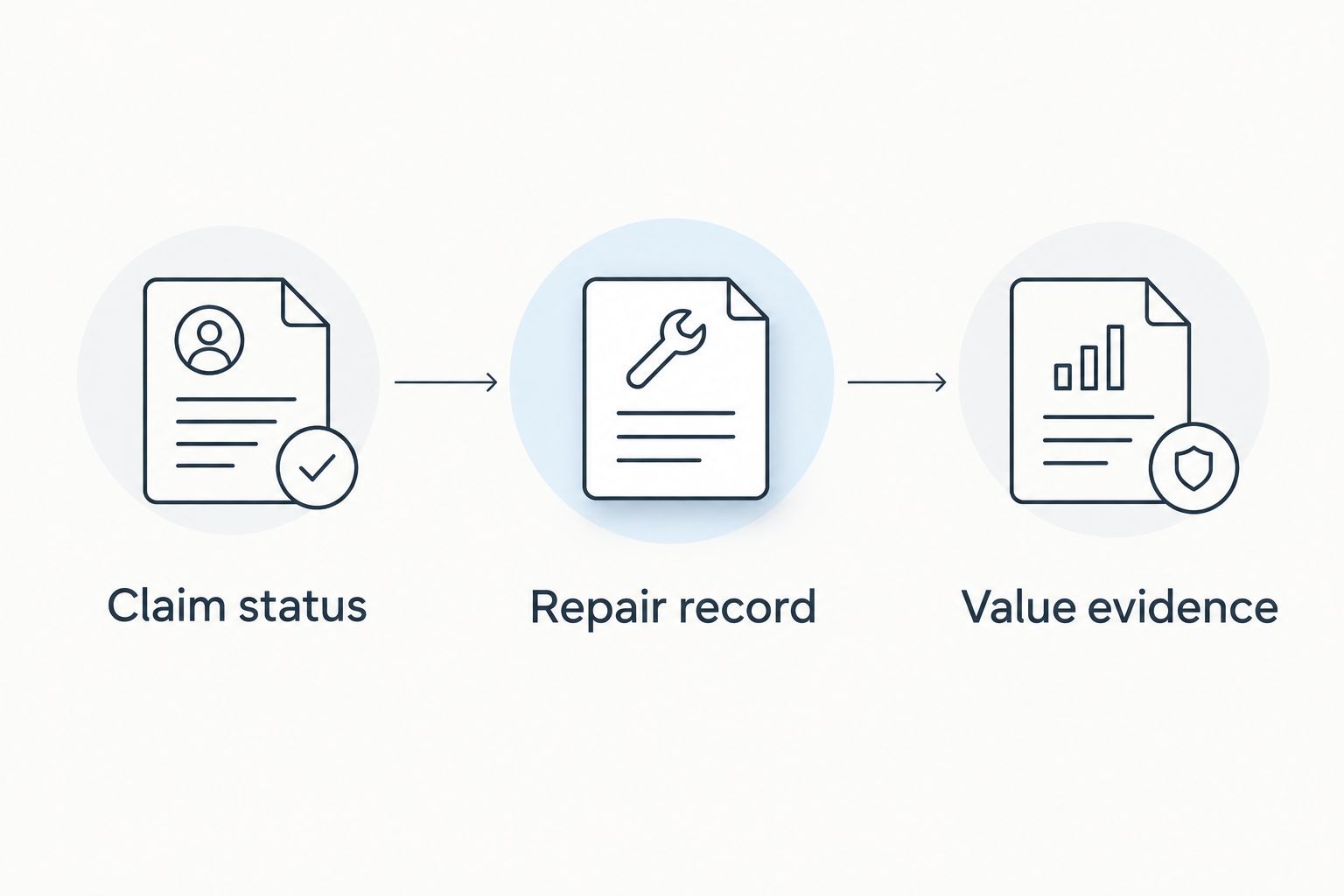
Repair record
A repair record establishes what happened to the vehicle. It does not, by itself, establish what a buyer would pay for it afterward.
- Collect the final scope. Place the initial estimate, approved supplements, and final invoice in order. Identify which document describes work actually completed rather than work merely proposed.
- Match documents to the vehicle. Check the vehicle identification number and claim number across the notice, estimate, invoices, and valuation materials. Resolve mismatches before submission; an otherwise useful document needs to be tied to the correct vehicle.
- Separate unfinished work from value loss. Under Repair concerns, list unresolved workmanship issues or incomplete operations. Ask the repair facility to address those concerns through the appropriate repair process rather than presenting them only as accident-history depreciation.
- Request supporting records. Ask for available photographs and documentation of relevant operations performed. Request records that exist; do not assume every repair requires the same procedures or supporting reports.
- Write a factual repair summary. Under Completed repairs, describe the damaged areas and documented work without adding technical conclusions that the records do not support.
Expected result: A reviewer can distinguish the original damage, the final repair scope, and any unresolved repair concerns.
Use the guide to connecting an insurance adjuster to your repair estimate when the estimate and insurer correspondence still need to be reconciled.
Keep a 2026 repair completion date only when the invoice actually supports it. Accident dates, notice dates, and completion dates serve different purposes; never substitute one for another.
Value evidence
The valuation unit connects the completed repairs to a supported market-value argument. An accident history is relevant evidence, not a self-proving settlement amount.
- Define the valuation question. Under Value basis, state that you are seeking review of alleged remaining value loss after completed repairs. Do not describe the repair bill itself as diminished value.
- Identify the valuation dates. Use 2 clearly identified valuation dates or reference points: the pre-loss condition and the post-repair condition. Have the valuation professional explain how the dates and market conditions are treated.
- Gather comparable evidence. Collect vehicle details that affect comparability, including trim, mileage, equipment, condition, and accident or title history. Asking prices alone do not prove completed transaction values.
- Evaluate the explanation. If you obtain an independent appraisal, ask how it accounts for the vehicle’s previous condition, prior damage, completed repairs, and relevant market evidence. A conclusion without its reasoning is difficult to assess.
- Connect—not combine—the documents. Attach the original total loss notice as background, followed by the later status confirmation, repair records, and valuation evidence. Explain any change in classification explicitly.
- Submit a focused request. Identify the vehicle and claim, describe the basis of the request, list attachments, and ask for a written decision identifying the coverage or liability position and valuation reasoning.
Expected result: Your packet explains why the alleged remaining loss is separate from repair expenses and why the chosen claim path applies.
For a submission prepared in 2026, distinguish current listings from evidence relevant to the valuation dates. A current advertisement does not automatically describe the market at the time of the accident.
When a total-loss decision changes to a repair decision
This adjacent workflow applies when the written claim record changes—not simply when you decide to repair a vehicle yourself.
- Obtain the revised written determination and preserve the original notice.
- Ask the adjuster which valuation or estimate is now controlling and whether any earlier proposal remains relevant.
- Complete the repair-record file using the final invoice and supporting documents.
- Review any remaining market-value issue separately, including whether the recipient accepts liability or coverage for that category of loss.
The advantage is a clear document chain: the reviewer can follow the original decision, the revision, and the completed repairs. The limitation is equally important: a revised repair decision does not guarantee payment for diminished value.
If the insurer still treats the vehicle as a total loss and you retain it, use the retained-salvage path instead. Ask about the settlement terms and applicable title and registration requirements before assuming that repair completion settles those questions.
Troubleshooting
The adjuster says the vehicle is still a total loss
Ask for the current written determination and the valuation supporting it. Address errors in that valuation through the total-loss review process. Do not simply rename the disagreement a diminished value claim after repair.
The estimate and final invoice describe different work
Request an explanation of supplements, removed operations, and completed repairs. Present the final scope with the earlier estimate as background; do not ask the reviewer to infer the changes from scattered attachments.
The insurer rejects the appraisal without explaining why
Request a written response identifying the disputed assumptions, comparable evidence, coverage terms, or liability position. Separate a disagreement about the amount from a denial that the category of loss is recoverable.
The packet relies only on an accident-history report
Add repair documentation and a reasoned valuation analysis. A history report can identify a reported accident, but it does not independently establish the vehicle’s condition, repair quality, or amount of residual loss.
You already signed a release
Read the actual release and obtain qualified legal advice about its scope. Do not assume that a new appraisal overrides the agreement or that sending another demand preserves a right to recover.
Customize your workflow
Keep 1 claim number in the subject line for each correspondence thread, and identify a second claim separately if another insurer is involved. Use dated filenames and a document index so a reviewer can find the controlling notice, final invoice, and valuation explanation quickly.
Ask MB Collision Group for the collision repair documents relevant to your vehicle. Keep requests for legal advice, insurance coverage interpretation, and independent market valuation directed to the appropriate professional.
For your 2026 tracking sheet, add Response received, Reason given, and Next action. These fields make it easier to distinguish a missing document from a substantive denial. Follow the actual policy and legal deadlines rather than setting an arbitrary countdown from this guide.
FAQ
Can I file a diminished value claim after repair if I received a total loss notice?
First confirm whether the insurer still treats the vehicle as a total loss. A later written repair decision creates a different review path from a vehicle that remains subject to a total-loss settlement; neither situation guarantees additional recovery.
Does repairing a totaled car automatically qualify me for diminished value?
No. Repairing a vehicle you retained after a total-loss determination does not automatically create a separate diminished value entitlement. Review the settlement, title history, applicable law, and any release before pursuing another demand.
Is a low total-loss valuation the same as diminished value?
No. A total-loss valuation dispute challenges the valuation used for the total-loss settlement, while post-repair diminished value concerns alleged remaining market-value loss after repairs. Keep the evidence and requested review separate.
What documents do I need for a diminished value claim after repair?
Start with the written claim status, final repair invoice, relevant photographs, and a supported valuation explanation. Include the original total loss notice and any later revision so the reviewer can follow the claim history.
Can I claim diminished value from my own insurance company?
Your policy and applicable law determine whether your own insurer owes that category of loss. Ask for the coverage position in writing rather than assuming that payment for repairs includes payment for diminished value.
Does factory-certified collision repair eliminate diminished value?
Factory-certified repair status alone does not establish whether a vehicle has remaining market-value loss. Repair documentation and a supported valuation answer different questions; MB Collision Group provides collision repair and insurance-claim assistance, not a guaranteed valuation outcome.
Should I hire an appraiser before contacting the adjuster?
Confirm the claim status and recipient’s position before commissioning a valuation. An appraisal addresses value, but it does not resolve a coverage denial, an unsettled liability question, or the effect of a signed release.
One last thing
Preserve the superseded total loss notice instead of deleting it. The original notice explains why the file took a different path, while the later written determination explains why you are now presenting repair records. Put both in chronological order and label the controlling document clearly. The most useful connection is a documented change in status—not an assumption that every total loss notice leads to another claim.