Bumper repair without insurance has no fixed price in 2026: your out-of-pocket total depends on whether the damage needs surface repair, refinishing, replacement, or work behind the bumper cover. Get an itemized estimate after inspection, and check whether it includes paint materials, damaged mounts, required electronic procedures, taxes, and any teardown charges.
- How much does bumper repair cost without insurance? The repair scope, not insurance status alone, determines your bill.
- Compare estimates by included work, parts, paint, and required electronic procedures—not the bottom line alone.
- MB Collision Group serves Southern California drivers seeking factory-certified collision repair.
- A bumper cover that looks repairable can conceal damaged brackets, absorbers, or other components.
How much does bumper repair cost without insurance in 2026?
Your self-pay bumper repair bill is the total for the work you authorize, rather than an insurance deductible. A surface scuff and a damaged bumper assembly are different repair jobs, even when both started with a parking-lot impact.
The useful starting point is a written scope. MB Collision Group operates factory-certified collision repair centers in Southern California, where vehicle owners can seek an assessment of accident damage.
Use this breakdown to understand what belongs in your 2026 estimate. Not every repair needs every operation.
| Estimate component | What it covers | What to clarify before authorization |
|---|---|---|
| Inspection and disassembly | Checking the visible damage and components behind the cover | Whether inspection or teardown carries a separate charge |
| Repair labor | Reshaping or repairing suitable damaged areas | Why repair is appropriate for the material and damage location |
| Replacement parts | A cover, brackets, retainers, or other damaged components | Which parts are included and how they are identified |
| Refinishing | Surface preparation, color application, and clear coat | Which panels and paint materials the estimate includes |
| Electronic procedures | Applicable scans, sensor work, or calibration | Which vehicle-specific procedures are required and why |
| Completion charges | Applicable taxes and disclosed fees | Whether the written total includes them |
Compare the complete repair scope, not a bumper-only headline figure. An estimate that excludes necessary work does not describe the same job as one that includes it.
Why this matters
Paying without insurance does not make hidden damage disappear. It changes who pays the bill, not what the vehicle needs to be repaired correctly.
The visible outer cover is only part of the bumper assembly. Depending on the vehicle, brackets, energy-absorbing material, reinforcement, wiring, and driver-assistance components sit behind or near it. A clean-looking exterior is not proof that those components are undamaged.
For a self-pay repair in 2026, separate cosmetic preferences from required repairs. You can discuss leaving an unrelated scratch alone; you should not remove a necessary mounting repair or manufacturer-required procedure merely to reduce the total.
Surface damage: confirm whether paint repair is necessary
A scrape can involve transferred material, damage to the clear coat, deeper paint damage, or damage to the bumper material itself. Those conditions call for different work. A photograph alone does not establish which layers are affected.
Ask the estimator to identify what is damaged before discussing refinishing. If the mark is transferred material rather than missing paint, the proposed treatment should reflect that distinction. If the finish is broken, ask how the repair will restore the affected area.
Best for: evaluating scuffs and scratches where inspection confirms the underlying cover and attachments remain suitable for use.
The advantage is preserving an otherwise serviceable cover. The limitation is that surface treatment does not address cracks, broken mounts, or concealed impact damage. Do not accept a cosmetic description as a substitute for inspecting the assembly.
Cracks and dents: establish whether repair is appropriate
A cracked or distorted bumper cover is not automatically a replacement job, but it is not automatically repairable either. Material, damage location, mounting condition, and vehicle-manufacturer instructions determine the appropriate approach.
Ask the shop to explain the proposed repair method in plain language. The estimate should connect the visible condition to the work: repairing a damaged area, restoring its shape, preparing the surface, and refinishing where required.
Best for: covers that an inspection and applicable repair procedures identify as suitable for repair.
Keeping a repairable cover avoids replacing it unnecessarily. The trade-off is that repair labor and refinishing still belong in the estimate, and damage around attachments or sensor-related areas needs particular attention. Repairability is a technical decision, not simply a preference for the lower total.
Replacement: check what the new cover does not include
A replacement bumper cover is not the entire bumper assembly. Ask whether the estimate also accounts for damaged retainers, brackets, trim, absorbers, reinforcement, and other affected components.
Replacement also needs a clear finishing scope. Confirm whether the quoted part requires preparation and paint, which existing components will transfer, and which damaged items will be replaced. Do not assume the part line includes the labor needed to install it.
Best for: damage that the applicable repair procedures or physical condition rule out repairing.
Replacement addresses a cover that cannot appropriately remain in service. Its limitation is that installing a cover alone does not resolve damage behind it. Your authorization should describe the complete job, not just the most visible part.
How do bumper repair options compare?
| Approach | Best for | Main advantage | Main limitation |
|---|---|---|---|
| Surface treatment | Transfer marks or finish defects suitable for treatment | Preserves serviceable paint and material where appropriate | Does not repair structural damage to the cover or attachments |
| Cover repair and refinishing | Damage confirmed as repairable | Retains the existing cover | Suitability depends on damage location, material, and procedures |
| Cover replacement | A cover unsuitable for repair | Replaces the damaged outer component | Does not automatically include hidden parts or electronic work |
Why bumper repair costs vary
These factors explain why apparently similar bumper damage produces different estimates. Ask the estimator to connect each charge to a condition on your vehicle.
- Damage depth and location: A finish defect, a split cover, and a broken attachment require different operations. Location also matters when damage affects mounting or sensor-related areas.
- Vehicle construction: Bumper materials, assembly design, and the manufacturer's repair instructions determine which methods and parts apply.
- Hidden damage: Removing the cover can expose damaged brackets, absorbers, reinforcement, wiring, or adjacent components that an exterior inspection cannot fully assess.
- Paint scope: Preparation, finish type, color matching, and the proposed refinishing area affect the work. Ask the shop to explain any adjacent-panel operation rather than assuming it is always necessary.
- Electronic requirements: Some vehicles require specific scans, inspections, aiming, or calibration following particular repairs. The applicable vehicle procedure—not the appearance of the scratch—determines the requirement.
- Estimate terms: Labor rates, listed materials, applicable taxes, disclosed fees, and authorization terms affect the final total. Compare these alongside the repair method.
A useful estimate explains the operations rather than hiding them under a vague bumper repair description. You should be able to identify what is included and what remains subject to inspection.
How do you get a dependable self-pay estimate?
Use the same information and questions with each shop. That makes differences easier to resolve before you authorize work.
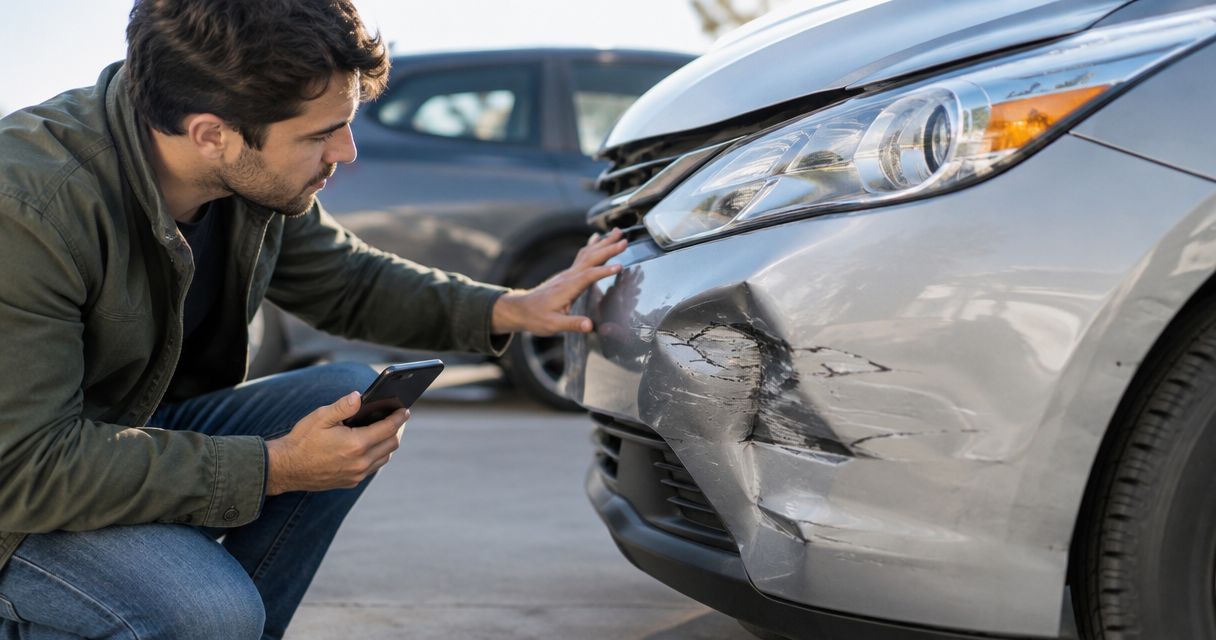
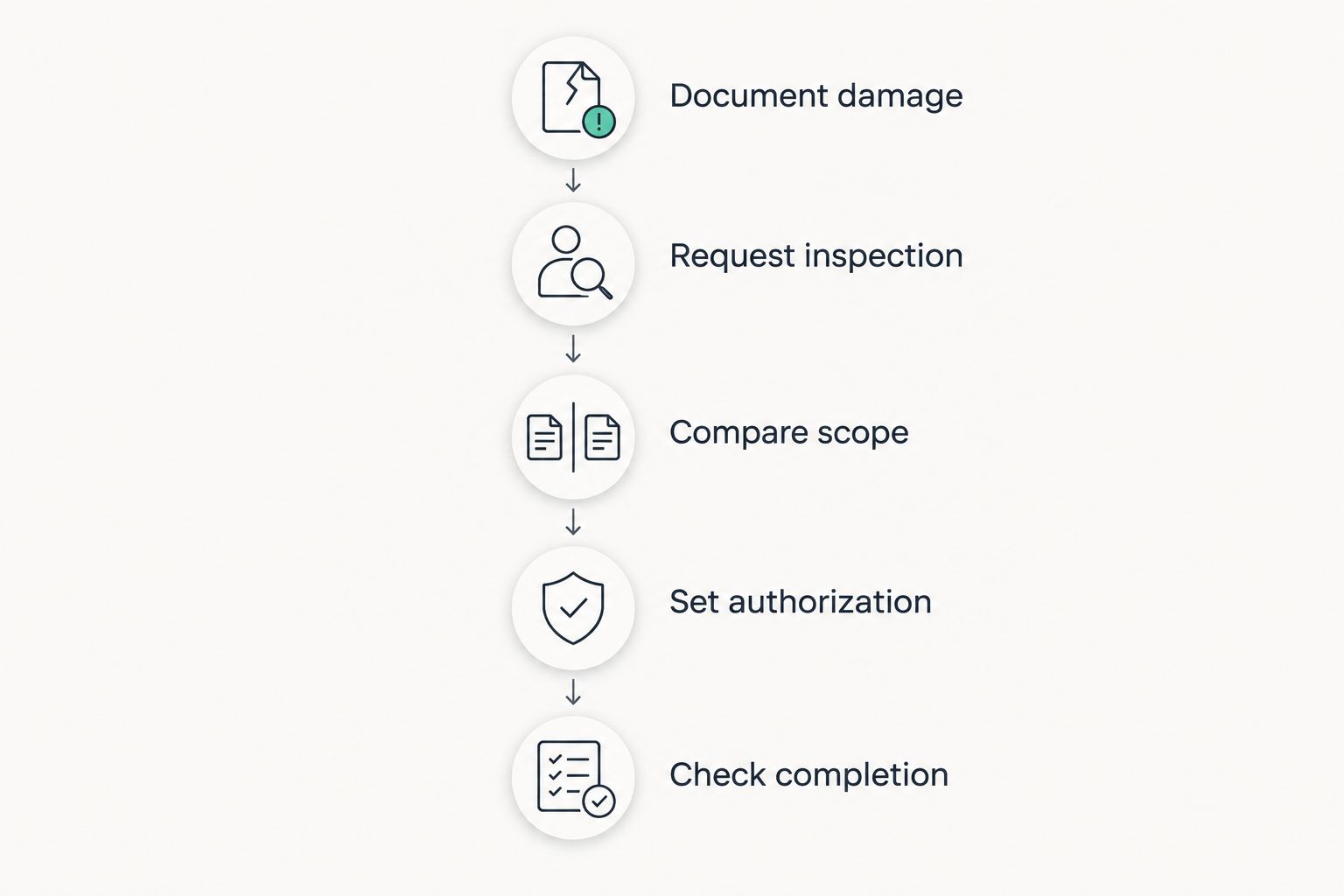
- Document damage. Photograph the affected bumper, nearby panels, warning messages, and any loose pieces. Describe the impact and any new symptoms without guessing which parts failed.
- Request inspection. Ask whether the estimate is based on photographs, an exterior examination, or disassembly. Each provides a different level of access to the damage.
- Compare scope. Check the repair method, part descriptions, paint operations, and applicable electronic procedures. Ask why any operation appears on one estimate but not another.
- Set authorization. Establish how the shop will contact you if inspection reveals additional work. Request an updated written estimate before approving changes.
- Check completion. Review the final invoice against the authorized scope and ask about the checks performed before delivery. Raise fit, finish, warning-message, or function concerns before leaving.
The key distinction is between a preliminary assessment and a repair plan based on access to the damaged components. This photo estimate and in-person inspection workflow explains that handoff in more detail.
Should you pay out of pocket or use insurance?
Paying out of pocket means you fund the authorized repair directly. Using insurance means the claim is handled under the applicable coverage, deductible, and policy terms. Neither payment method changes the vehicle manufacturer's repair requirements.
For a 2026 decision, start with the inspected repair scope and your actual policy documents. Then ask your insurer about coverage, reporting duties, deductible application, and claim handling. Do not assume a particular premium outcome or that every incident belongs under the same coverage.
| Payment route | Best for | Main advantage | Main limitation |
|---|---|---|---|
| Self-pay | Owners choosing to fund their own vehicle repair | You authorize and pay for the agreed work directly | You remain responsible for approved additions after hidden damage is found |
| Insurance claim | Owners with applicable coverage who choose to pursue a claim | The insurer evaluates covered damage under the policy | Deductibles, exclusions, and claim requirements still apply |
Damage to another person's vehicle or property is a separate issue from repairing your own bumper. Do not treat a private repair arrangement as a substitute for understanding your reporting and legal obligations.
What should you ask a Southern California collision shop?
Ask which manufacturer certifications apply to your specific vehicle and proposed repair. A general statement about certification does not answer that question. Also ask who will explain the estimate, approve changes with you, and review the completed work.
MB Collision Group is a fit for Southern California drivers seeking factory-certified collision repair. The next step is to confirm the relevant certification and repair scope for your vehicle; the company description alone does not establish which procedures your bumper needs.
Bring these questions to the estimate discussion:
- Is the cover repairable under the applicable instructions?
- What can you inspect without removing it?
- Which parts and paint operations are included?
- What electronic procedures apply to this vehicle?
- How will additional damage and authorization be handled?
- What expenses remain outside the written estimate?
Discuss your bumper repair
Ask about inspection, repair scope, and factory certification for your vehicle.
Is bumper repair cheaper than replacement?
Repair is not automatically the lower-total option. Compare the labor, refinishing, parts, and required procedures for each technically acceptable approach; do not choose repair when the damage or manufacturer instructions rule it out.
Can I get an accurate bumper estimate from photos?
Photos support an initial assessment, not a complete view behind the bumper cover. An in-person inspection and any necessary disassembly establish whether the visible damage represents the full repair scope.
Can I drive with a damaged bumper?
A photograph or damage description cannot establish that your vehicle is safe to drive. If the bumper is loose, a component contacts a tire, lights are damaged, fluids leak, or vehicle behavior changes, arrange an assessment rather than assuming the damage is cosmetic.
FAQ
How much does bumper repair cost without insurance in 2026?
There is no fixed bumper repair price without insurance in 2026. Your total depends on the inspected damage, repair or replacement method, refinishing, parts, and applicable electronic procedures; request an itemized written estimate.
Do I have to replace a bumper with a crack?
A crack does not automatically require bumper-cover replacement. The material, damage location, attachment condition, and applicable manufacturer repair instructions determine whether repair is appropriate.
Does a bumper replacement estimate include paint?
Do not assume a bumper replacement estimate includes paint. Ask whether preparation, refinishing materials, paint labor, and any proposed adjacent-panel work appear in the written scope.
Do bumper sensors always need calibration after repair?
Calibration is not a universal requirement for every bumper repair. The vehicle's equipment, the affected components, the repair operations, and manufacturer procedures determine which checks or calibrations apply.
Can hidden bumper damage change my estimate?
Hidden bumper damage can change the repair scope after disassembly. Agree in advance on how the shop will document additional damage and obtain your authorization before performing added work.
Does paying cash change which repairs my vehicle needs?
Paying directly does not change the vehicle's repair requirements. Ask for a self-pay estimate that preserves required procedures rather than removing necessary work to reduce the total.
Can MB Collision Group help after an accident?
MB Collision Group operates factory-certified auto body and collision repair centers in Southern California and provides insurance-claim assistance. Confirm the certification relevant to your vehicle and the scope of your proposed repair with the center.
One last thing
Keep the initial estimate, every approved revision, and the final invoice together. The most useful question at pickup is not whether the total changed, but whether every change was explained, authorized, and completed.
For your 2026 bumper repair decision, a clear written scope is more useful than an unsupported average. It tells you what you are buying—and gives you a fair basis for comparing another estimate.