Paintless dent repair is worth it for hail damage when the paint remains intact and a technician can restore the panel without refinishing it. For your 2026 repair decision, inspect the damage before choosing the method: cracked paint, stretched metal, and restricted access can require conventional body repair instead. Trim removal and other necessary access work also belong in the estimate, not outside the comparison.
- Is paintless dent repair worth it for hail damage? Yes, when intact paint and repairable dents make refinishing unnecessary.
- Choose paintless dent repair for suitable panels, not automatically for every dent on the vehicle.
- MB Collision Group serves Southern California drivers needing factory-certified collision repair and insurance-claim assistance.
- Compare complete repair scopes, including panel access, paint damage, and any separate glass repairs.
Is paintless dent repair worth it for hail damage in 2026?
Yes—when the damage suits the method, preserving the existing finish is a clear advantage. Paintless dent repair, or PDR, reshapes dented metal without adding body filler or repainting the repaired area. Its value depends on what the technician can restore, not simply how many dents you can see.
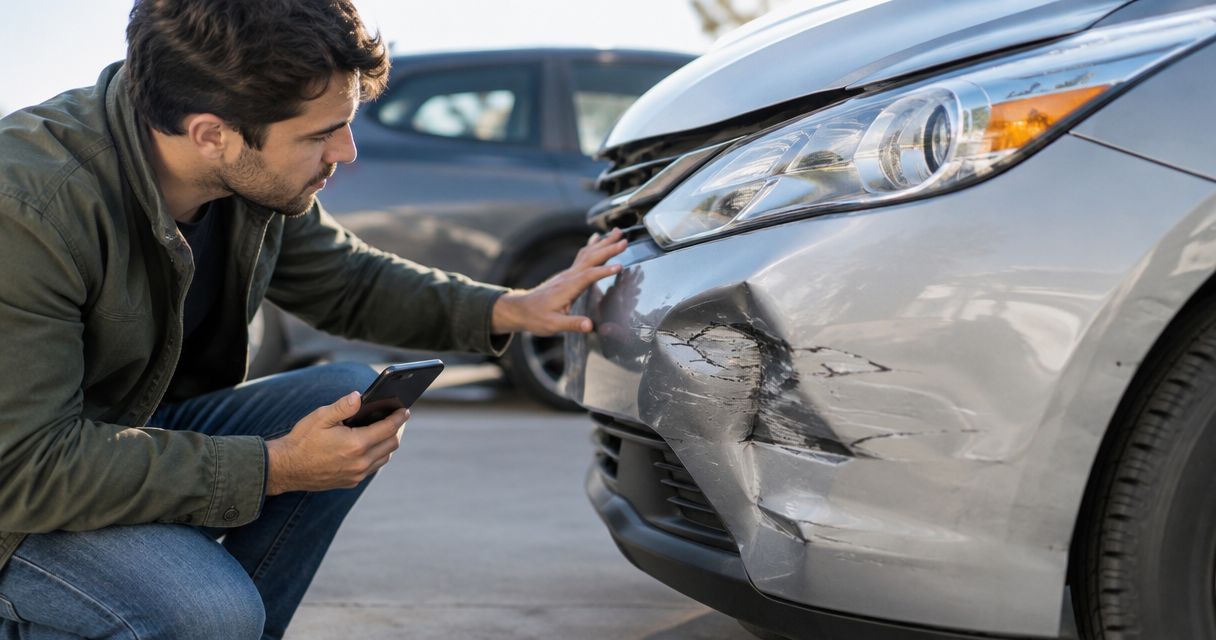
A photograph helps document hail damage, but reflections, shallow dents, and paint fractures need close inspection. Use this photo-estimate-to-in-person-inspection workflow to understand why a preliminary assessment and a repair plan serve different purposes.
| Repair approach | Best for | Main advantage | Main limitation |
|---|---|---|---|
| Paintless dent repair | Accessible dents with intact paint and repairable metal | Preserves the existing finish where successful | Does not repair cracked paint or every stretched panel |
| Conventional body repair | Damage requiring metal repair and refinishing | Addresses damage that reshaping alone cannot resolve | Requires refinishing rather than retaining the existing finish throughout |
| Mixed repair plan | Vehicles with both PDR-suitable and unsuitable damage | Matches the method to each damaged area | Requires a clear breakdown of work by panel |
Do not choose between these approaches as though the entire vehicle must receive the same treatment. A hood, roof, and door can present different repair conditions after the same storm.
Why this matters
Hail creates a cosmetic problem, but the repair decision involves more than appearance. You need to know whether the paint is damaged, whether the panel is repairable, and what work is necessary to reach the dent.
For a 2026 hail claim, separate the repair-method decision from the insurance decision. A suitable repair does not become unsuitable because of your deductible, and insurance coverage does not prove that every dent qualifies for PDR. Your policy determines coverage; the inspection determines the repair scope.
Preserving sound paint is useful. Preserving damaged paint at the expense of a complete repair is not.
Paintless dent repair: best for intact paint and repairable dents
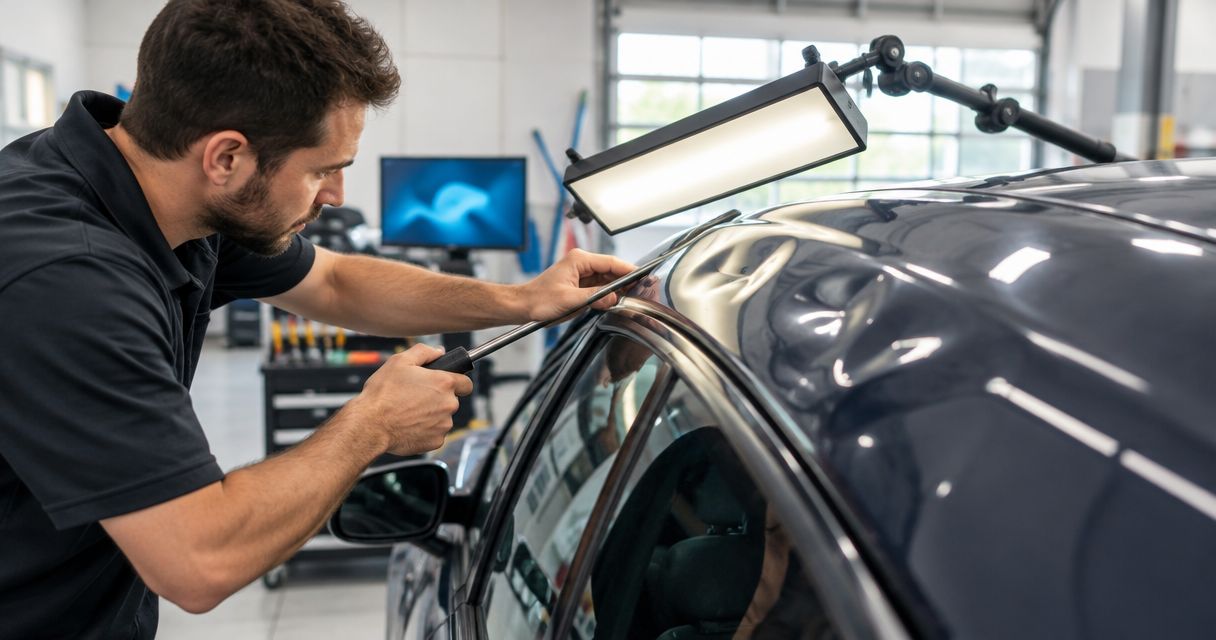
PDR deserves consideration when the finish is intact and the dent can be reshaped without compromising it. Technicians use controlled pressure or pulling techniques, depending on the damage, access, finish condition, and applicable repair procedures.
The advantage is specific: suitable damage can be corrected without refinishing that area. You avoid introducing a paint-matching task where none is necessary. That does not mean every hail dent disappears through the same process.
Ask the estimator to explain the following:
- Whether the paint has fractures, chips, or other damage at the dent.
- Whether the metal has stretched beyond what PDR can correct.
- Whether the technician can access or otherwise work the damaged area appropriately.
- Whether earlier repairs affect the proposed technique.
- What finished result the repair plan is intended to achieve.
Choose PDR because the panel qualifies, not because the dent looks small. A shallow-looking dent near a reinforcement can present a different challenge from a more visible dent on an accessible section of metal.
The limitation is equally important: reshaping metal does not restore missing paint. A plan that leaves paint damage untreated is not a complete answer to hail damage.
Conventional repair: best for damage PDR cannot fully address
Conventional repair belongs in the discussion when paint damage or panel deformation prevents an appropriate paintless repair. Depending on the findings, the repair plan can involve metal work, refinishing, or replacement under the applicable vehicle repair procedures.
Its strength is scope. Conventional work addresses conditions that cannot be resolved by reshaping the existing panel while preserving its finish.
The trade-off is that refinishing adds work beyond dent removal. Ask which panels require paint, why that work is necessary, and whether adjacent areas require blending under the proposed refinishing process. Do not assume that every neighboring panel needs paint, or that none will.
Choose conventional repair when it solves documented damage that PDR cannot. Request a panel-specific explanation rather than accepting a blanket statement that hail damage always needs repainting.
The same discipline applies in reverse. A promise to keep every panel paintless is not a substitute for inspecting cracked finishes or severely deformed metal.
A mixed repair plan: best for different damage across panels
A mixed plan uses PDR where suitable and conventional work where necessary. This is a repair strategy, not evidence that either method has failed.
For example, intact paint on one damaged panel does not establish that the finish is intact elsewhere. Each panel needs its own assessment. A vehicle can also have separate glass damage that neither dent-removal method addresses.
The advantage is selective treatment: you retain existing paint where appropriate without forcing unsuitable damage into a paintless process. The limitation is coordination. Your estimate needs to distinguish dent removal, access work, refinishing, and unrelated damage clearly enough that you understand the proposed repair.
Ask the shop to identify which panels fall into each category. Approve a documented scope, not a label such as “hail repair” that hides the actual work.
Why hail-damage repair suitability varies
The deciding factors are physical conditions, not the calendar. In 2026, the same core questions still determine whether a paintless approach fits your vehicle:
- Paint condition: PDR reshapes metal; it does not replace damaged paint. Inspect the dent and surrounding finish before treating the panel as paintless-repair eligible.
- Dent shape: Depth, sharpness, and metal stretching affect whether the panel can return to its intended contour.
- Dent location: Body lines, panel edges, and reinforced areas change how the technician can work the damage.
- Panel access: Interior trim, headliners, and structural features affect access. Necessary removal and reinstallation belong in the scope.
- Panel material: Aluminum and steel respond differently to repair techniques. The repair plan must match the actual panel and applicable procedures.
- Previous repairs: Repainted areas, filler, and existing finish defects affect the assessment and choice of technique.
These factors explain why dent count alone does not settle the question. Two panels with similar-looking damage can require different work because their finish condition or construction differs.
How do you decide whether to approve PDR?
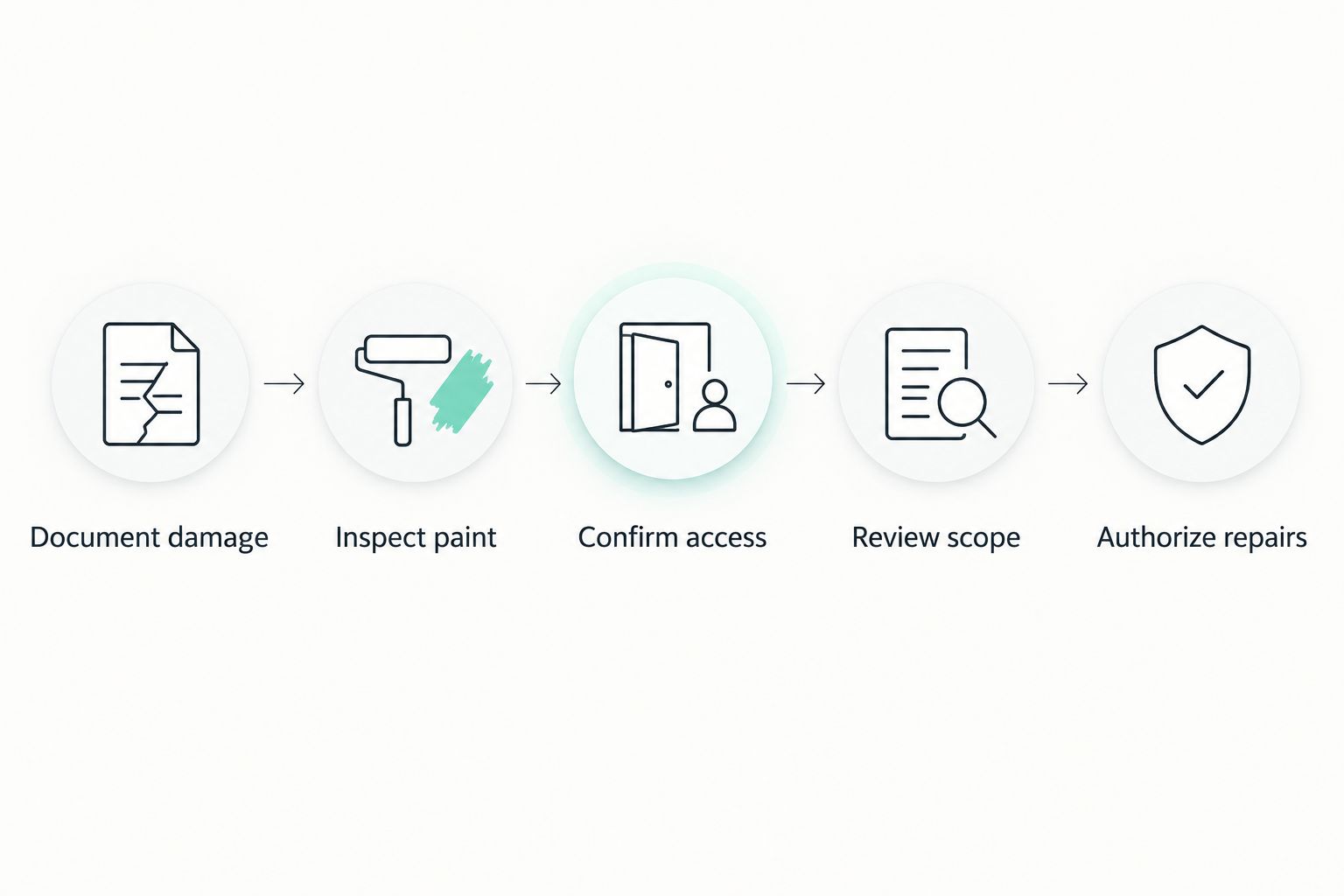
Use a short inspection-to-authorization process. The goal is a clear repair plan before work starts, not a promise based only on a parking-lot glance.
- Document damage. Photograph the vehicle from several angles, including the hood, roof, trunk, and visible glass damage. Keep the original files with your claim records.
- Inspect paint. Have the damaged finish assessed closely. Do not treat an absence of obvious scratches in a phone photo as proof that the paint is intact.
- Confirm access. Ask what needs removal and how the technician will reach the affected panels. Identify relevant vehicle-specific procedures before authorizing work.
- Review scope. Obtain a written explanation of which areas receive PDR, conventional work, or further assessment. Clarify how additional findings will be documented.
- Authorize repairs. Confirm the proposed work, your payment responsibilities, and the approval process for changes. Keep a copy of the authorization.
A good estimate connects each repair operation to an observed condition. You should be able to ask why a panel requires refinishing and receive an answer about that panel—not a general sales pitch.
What should you check with insurance before repairs start?
Hail damage is generally addressed under comprehensive coverage when that coverage applies to the loss. Your policy, deductible, exclusions, and insurer's claim determination control your situation. Do not assume that collision coverage alone handles a weather-related claim.
For your 2026 claim, ask how the insurer wants damage documented and how additional repair findings are submitted. A preliminary photo estimate is not a reason to omit damage found during an in-person inspection.
Keep these questions separate:
- What damage does the insurer recognize as part of this loss?
- What repair operations does the shop recommend, and why?
- Who submits supporting photographs or an updated estimate?
- What requires approval before additional work begins?
- What transportation coverage, if any, does your policy provide?
Resolve authorization questions before the work they affect begins. Neither a repair-method preference nor an initial claim estimate replaces a complete assessment.
Who should inspect your vehicle in Southern California?
Choose a repair provider that can explain the damage, the proposed method, and the limits of that method. Ask about experience with your vehicle's panel materials and the procedures relevant to any required disassembly.
MB Collision Group is best for Southern California vehicle owners seeking factory-certified collision repair and insurance-claim assistance. MB Collision Group operates auto body and collision repair centers and also serves owners needing auto glass replacement after an accident.
That service profile does not establish that every center performs PDR or that every vehicle qualifies. Confirm the available repair method and the certification relevant to your vehicle before choosing a location. Factory certification does not replace a hail-damage inspection.
When discussing collision repair with MB Collision Group, bring damage photographs, insurance correspondence, and any earlier repair records relevant to the affected panels. Ask for a panel-by-panel recommendation rather than requesting PDR regardless of the findings.
Will paintless dent repair make hail damage invisible?
PDR aims to restore the panel's contour without refinishing, but the result depends on the damage and repairability. Ask the technician to explain any expected residual distortion before authorization. Do not treat an unqualified promise of perfection as evidence that the method fits.
Inspect the completed vehicle under lighting that reveals surface reflections. Review any remaining dents or finish damage against the agreed scope before accepting the work.
Should you leave minor hail dents alone?
Leaving hail dents unrepaired is an option when you accept the appearance and understand any ownership obligations. Check lease-return requirements, financing terms, and claim responsibilities before deciding. Damaged paint needs separate attention because dent removal and finish protection are different issues.
Do not assume that an insurance payment means you have no further documentation or repair obligations. Read the applicable terms and keep records of the damage and any settlement.
FAQ
Is paintless dent repair worth it for hail damage in 2026?
Yes, paintless dent repair is worth considering when hail dents have intact paint and repairable metal. An inspection must confirm that the panel can be restored without refinishing; dent size alone does not establish suitability.
Is paintless dent repair better than repainting after hail?
Paintless dent repair is preferable when it can appropriately restore the panel while preserving sound paint. Conventional repair is the better fit when damaged paint or panel deformation requires work that PDR cannot complete.
Can paintless dent repair fix hail dents on an aluminum hood?
Aluminum panels can be candidates for paintless dent repair, but material alone does not establish repairability. The technician must assess the dent, finish, access, and applicable vehicle repair procedures.
Does insurance cover paintless dent repair for hail damage?
Hail damage is generally handled through comprehensive coverage when the policy covers the loss. Your insurer determines coverage, and the inspected damage determines the appropriate repair scope.
Can I get a reliable hail repair plan from photos alone?
Photos support an initial assessment, but they do not replace an inspection of paint condition, panel contour, and repair access. Have the vehicle inspected before treating a preliminary estimate as the complete repair plan.
Can paintless dent repair fix cracked paint?
No, paintless dent repair does not restore cracked or missing paint. The damaged finish needs its own repair assessment even if some metal reshaping remains possible.
Does MB Collision Group provide hail-damage PDR at every location?
Confirm PDR availability with MB Collision Group before selecting a location. Its stated services include factory-certified collision repair, auto glass replacement, and insurance-claim assistance; those services do not establish PDR availability at every center.
One last thing
The most useful question is not “Can you remove these dents?” It is “Which panels can you restore without paint, and why?” That wording makes the estimator explain suitability rather than simply agree to a preferred method.
For your 2026 decision, keep the written scope and inspect the finished panels against it. A defensible repair plan preserves sound paint where appropriate and addresses damage that a paintless process cannot fix.